
Posted by Jack Young: EnjoyWinter Athlete Force on Jul 31st 2026
Goal Setting for the 2026-2027 season
At the beginning of every season since I was about 14 years old, I have put some amount of thought into my goals for the upcoming season. For the first few years, I had to be coerced into doing it by my coaches and the format of this goal setting was a highly structured google form. Since then it has become more of a free writing assignment that I assign myself. I have heard the different types of goals one makes called different things over the years, but what has remained constant is that I have always set outcome goals and goals that will help me toward reaching those outcomes. A common way of defining these two are performance versus process goals.
It’s already August, so you may be wondering why I’m talking about my goals for the current year that is already a quarter of the way done. The answer is that time simply got away from me–I meant to write this post back in April or May. This being said, since I have already done a large chunk of the training for this season, I can both explain my goals, how I intend to reach them, and whether I think these last three months have been in line with the goals I set at the beginning of the year.
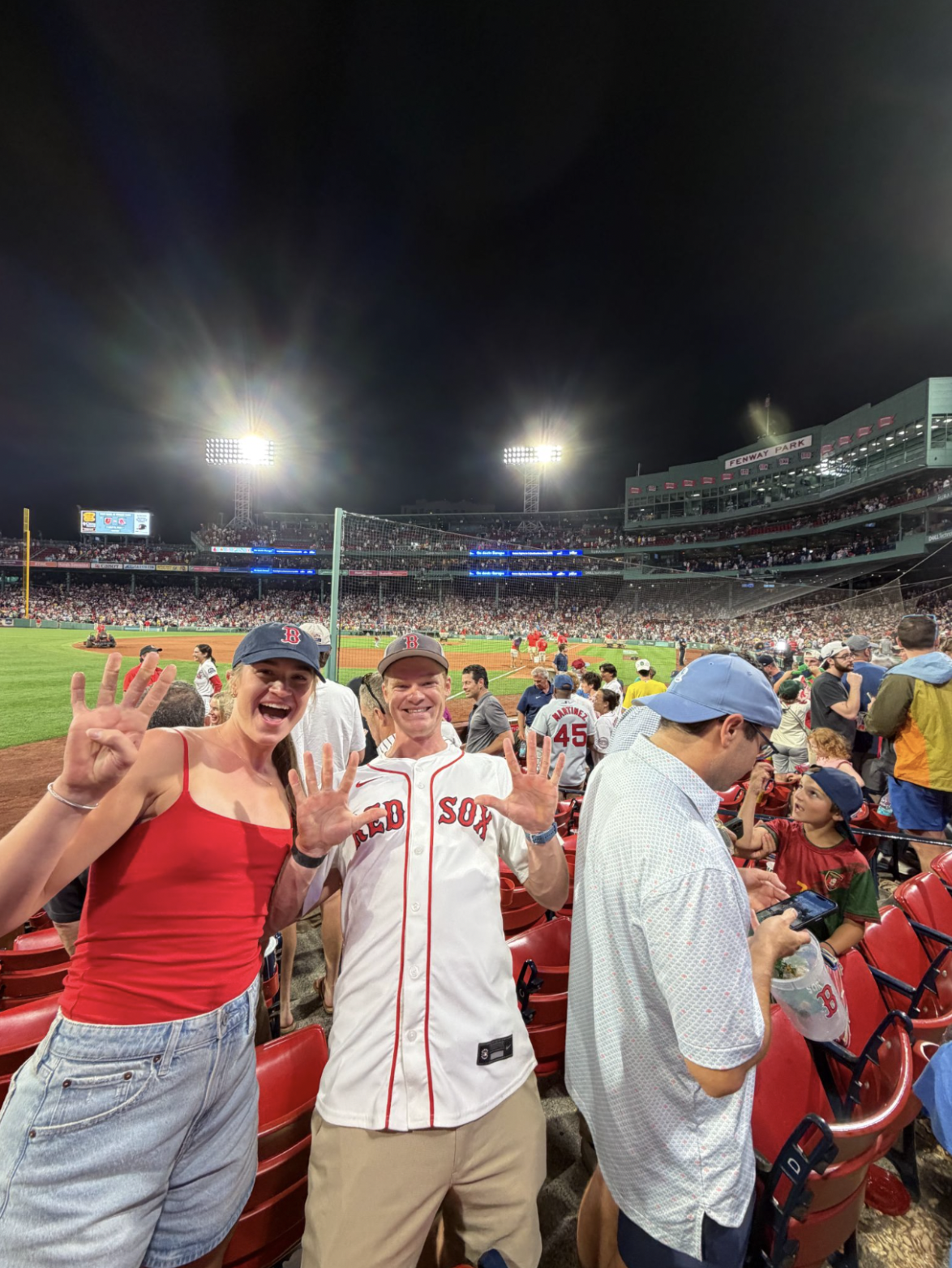
14 in a row!
What are my goals for this year?
My number one goal this year is to medal at the World Championships in the Freestyle Sprint. Yes, I have only skied in one world cup final, and I wasn’t really in contention for the podium that day, but I don’t see why a lack of similar results in the past should limit my ability to set goals that seem a little bit out of reach. One of the most important aspects of goal setting is having goals that seem far fetched. Without these goals, it can become tricky to discern whether a season was good or excellent. Additionally, the ability to commit to seemingly out of reach goals can be a healthy exercise in dealing with failure.
My biggest goal for the year may be this stretch goal of a medal at World Champs, but it’s important to have other results goals that are more attainable. For example, some other goals I have for this year are: qualifying in a world cup classic sprint, finishing in the top-10 of the world cup sprint rankings, and finishing in the top-10 of the 10k F at US Nationals. These three goals are of varying degrees of difficulty, but all of them are much less daunting than a world champs podium.
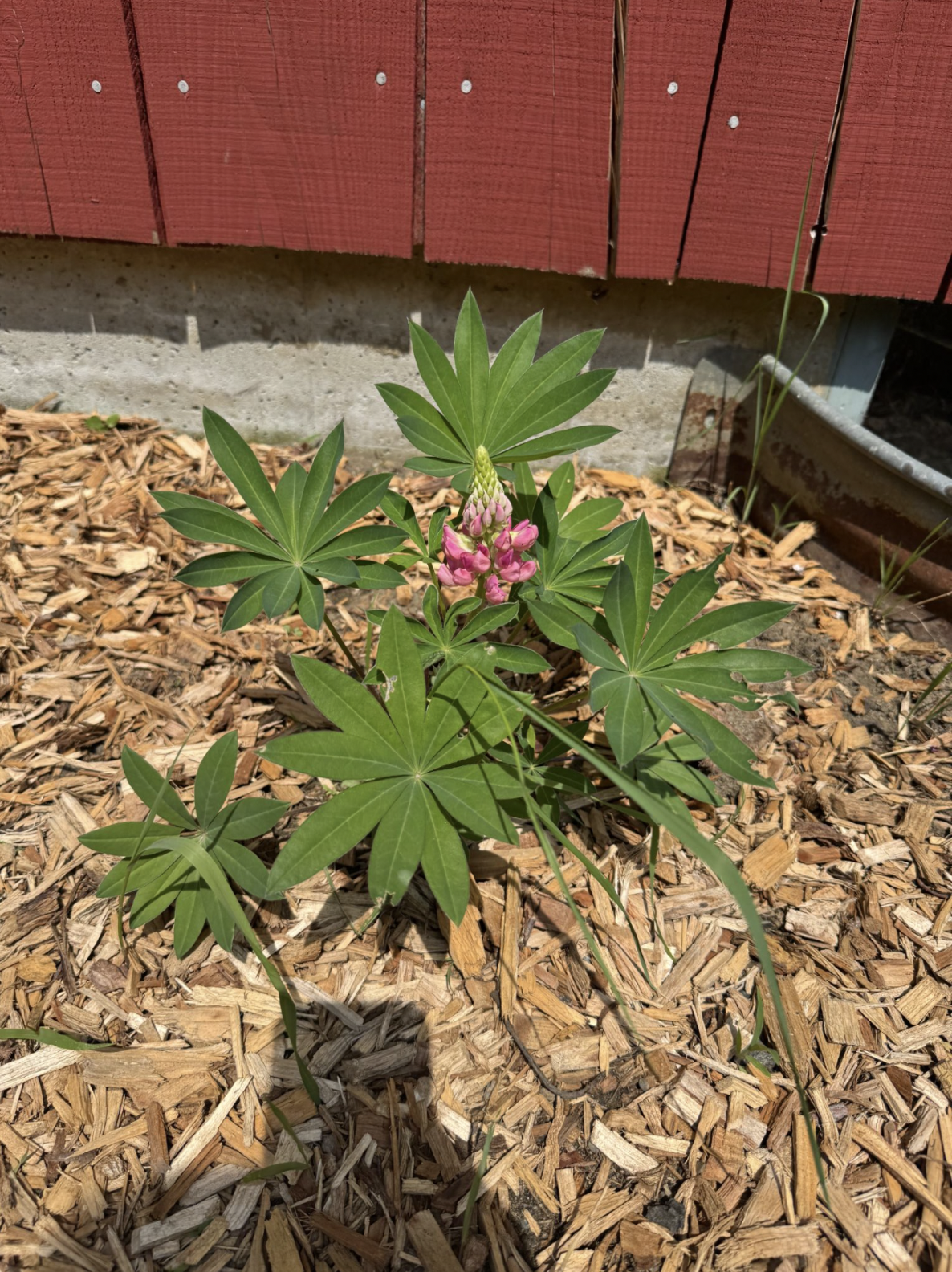
Lupin blooming in late July?!
General process versus progress towards specific goals
Cross country skiers as a whole are generalists. The sport demands athletes to be good at a large array of distances and techniques, so it is very easy to get away with doing very standard training and getting generally better at the sport. Eventually, I would love to become a skier who can compete in distance races as well as sprints, but I have yet to show that I am capable of this. Last year, I was pretty open about not caring about distance skiing, and I claimed that my only goal in that realm was to avoid getting slower. Now, a year later and consequently a year closer to when I eventually focus more on distance skiing, avoiding slipping backwards is insufficient. However, with my goals still mostly revolving around sprinting, it does not make sense to devote significant energy to specifically training for distance races. This is where the distinction between training to become generally fitter and specifically fast comes in. Eventually, I want to try and train to become as specifically fast at an individual start 10k skate as I can, but in the meantime, I can try and train the peripheral factors that would aid in this without hindering my sprint training.
Only the essentials
What I mean by this is that I am willing to bet that I can get away with training more generally this summer than I have in the past. I am planning on training more hours and doing less specific work on skate sprinting. The approach should in theory yield better fitness and better efficiency across the board. I believe that an hours increase this year will accomplish multiple things at once. In a very simple model of training volume, training more this summer could set me up to do and absorb more intensity in the fall and the winter. This would also combine nicely with the focus of my season shifting from December to late February. (In the past I have targeted Period 1, but this year I am targeting World Champs in February) I think it's safe to say that higher overall volume gives an athlete more room to play around with designing a peaking plan midway through the year. On the distance side of things, I think higher volume can both directly improve performance in the 10k skate at the US nationals and set me up to train even more next year if I try to make a big jump in distance skiing.
In the past, I have claimed that too many skiers are training too much as generalists and should focus instead on what they are best at. I stand by this statement, but I would amend it to include that getting generally fitter and more efficient on skis can also play a part in a plan that prioritizes one technique and one event. For example, I may be doing less skate sprint work this summer, but I am also replacing a lot of those sessions with double pole work because I both want to get faster at classic skiing and think that better double poling will lead to better V2ing in the freestyle technique. This summer, I want to get fitter than I have ever been without losing sight of my one goal: skate sprinting.


Other Goals
I have a couple results goals for this year, and the training to reach these goals will look similarly as it has in the past with just a few tweaks that I mentioned above: slightly more volume, more double pole work, and less time spent at sprint pace during the summer months. However, planning out a season involves a lot more than just training and racing. At the end of this past year, I felt a little burnt out on traveling, and I wanted to do less in the coming year–this counts as a goal. I made progress on this goal spending 8 weeks away from home during the offseason as opposed to the 10 weeks I spent away last summer, but the real progress came in how I structured the training around travel. This year I made a commitment to only traveling if I could actually structure the training in a productive way. I lost less training days this year due to travel, so I’m happy to say I’m doing well on this goal.
Hot take: One way I’ve worked through this is by getting a little bit more aggressive training close to travel days. Most athletes and coaches live by the motto that a travel day doesn’t count as a rest day. I disagree. I’ve always felt like I can relax well on airplanes, so besides the additional risk of sickness that travel brings, I have never found the need to take a day off before or after travel.
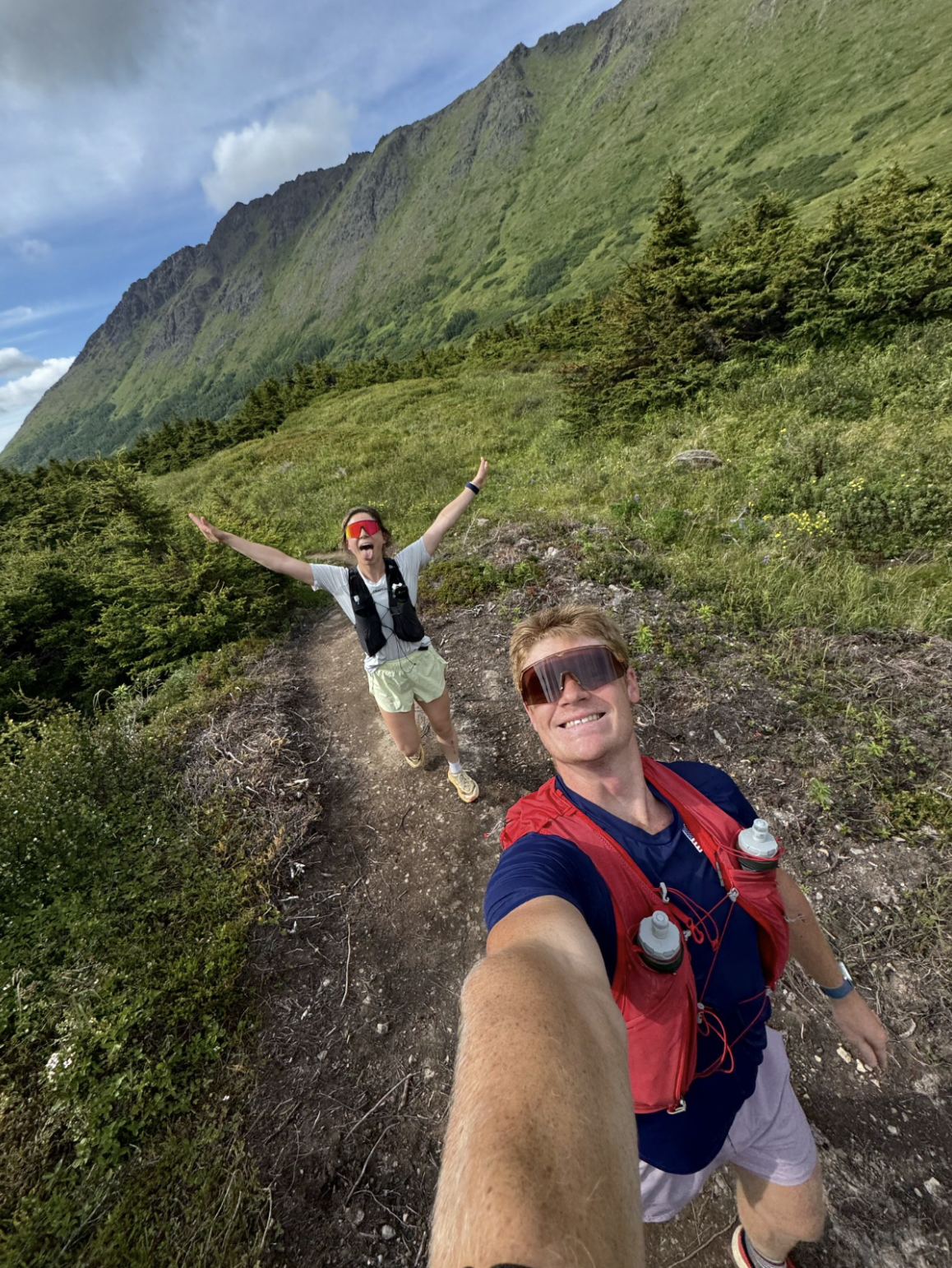
This blog should have been written three months ago, but it makes just as much sense now as it did at the beginning of May. As I write about life and training for the rest of the year it should help to have the background of what I am trying to accomplish and the means to which I am trying to get there. I’m stoked with how the last three months of training have gone and eager to keep the ball rolling. I’ll hopefully be posting once every other week from here on out, so I’m excited to take anyone who will listen along for the ride the rest of the way!