
Posted by Annika Landis, EnjoyWinter-NTS Factory Team Athlete on May 10th 2026
Annika's Season Debrief
Another marathon season is complete!
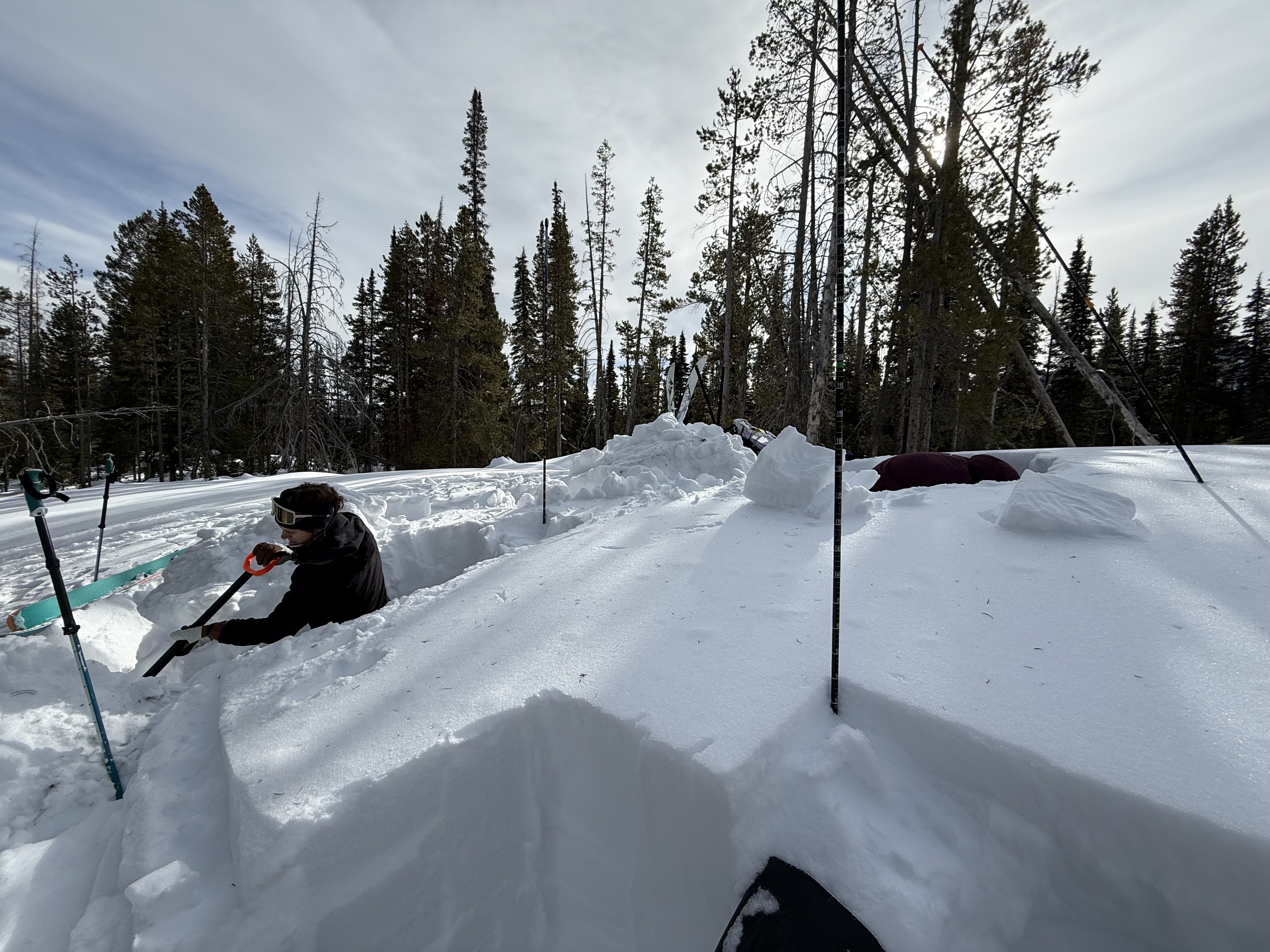
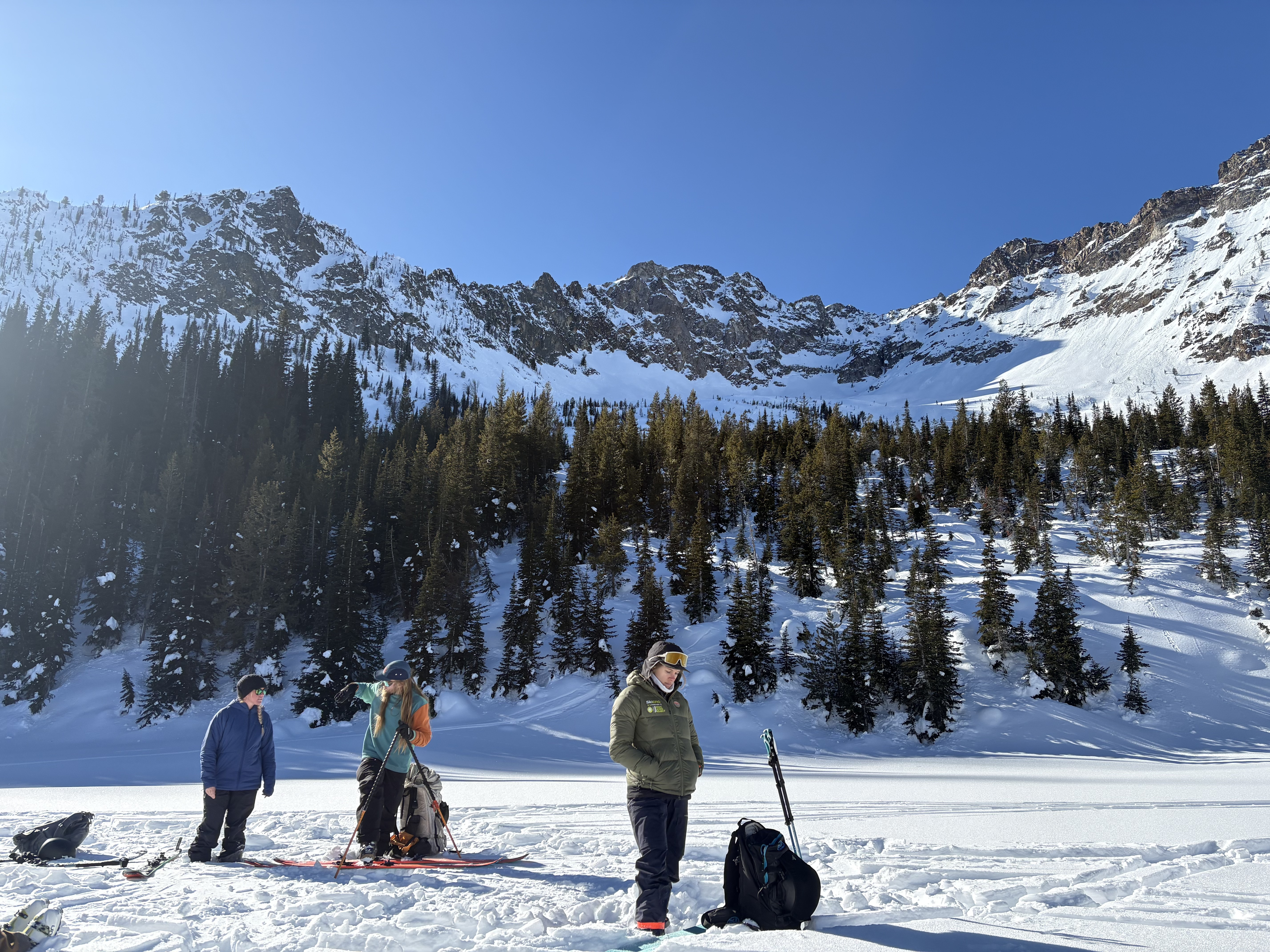
At the end of each season, it is a valuable exercise for me to recap my training and race season, think through the goals I set for myself, and list the takeaways I can use to inform my approach to the next season. The training season technically starts in May, but I’ve already recapped the summer and fall, so we will skip right to the winter. My race schedule this year was more sparse than previous years for a few reasons. First, as I’ve mentioned, I needed to make sure that I was taking care of my back injury and not overdoing it, which meant no classic racing on the schedule. Additionally, there are always conflicts with many of the races I’d like to compete in and I can’t do them all! I also have plenty of other things that I like to do in the winter that having a flexible race schedule allows me to do. For example, the weekend after the Ski de She, I was finally able to get my Avalanche and Avalanche Rescue Level 1 certification. Despite having a lot of experiential knowledge, I have been previously too busy in the winter to take an official course. As someone who spends a lot of time with my close friends and family in the backcountry, this education is really important to me so that I can make informed and safe choices.
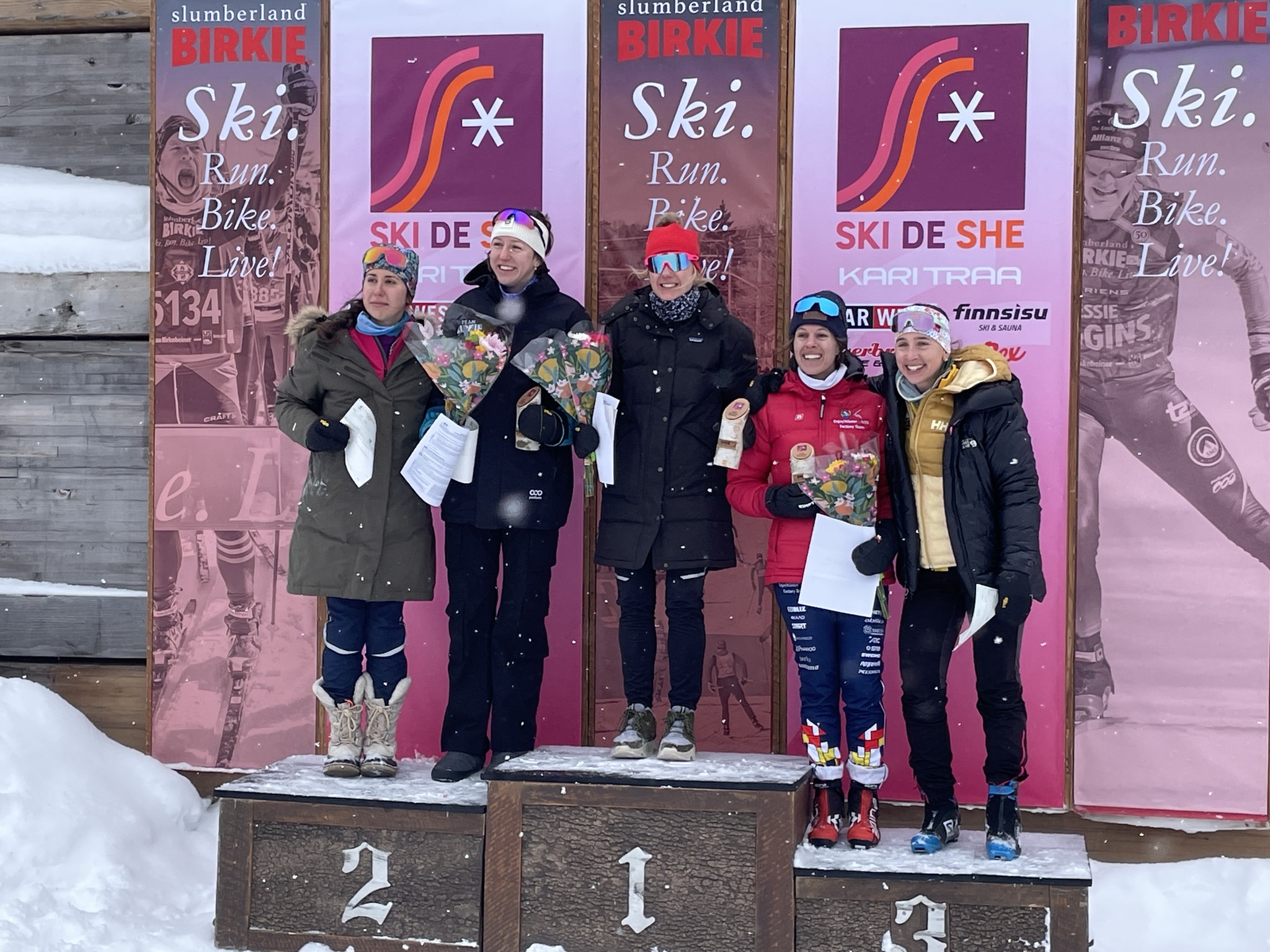
My first race, (if we don’t include the Snowmaker Classic 10k) was the Ski de She 30k in Cable, Wisconsin. This is now the third time I have participated in the weekend camp and race, and I had another great experience. The first race of the season can always be a bit of a wildcard, and I had some cobwebs to sweep out! It is unusual for me to not race until mid-January, and so my body was still in the ‘training’ mode.
This brings me to my first main takeaway from the season.
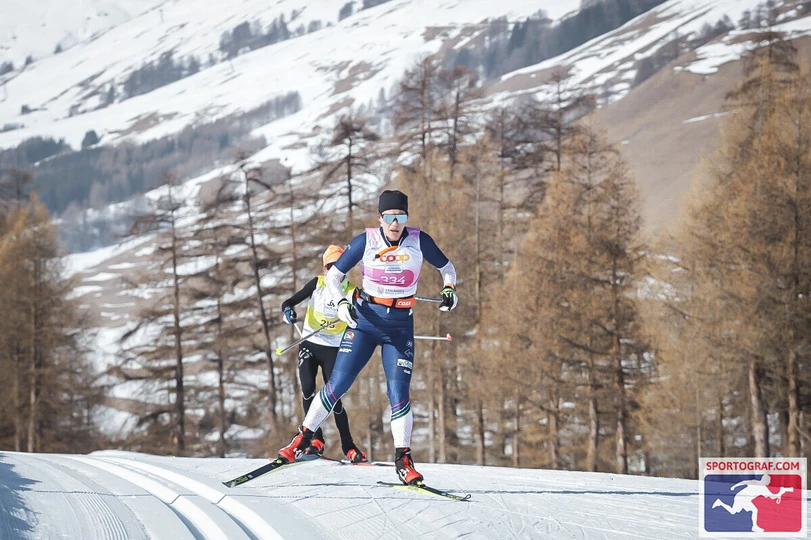
Looking back, I wish that I had been more deliberate in adding high intensity workouts into my training in December and early January. I think this would have helped me feel more snappy and aggressive during deciding race moments. I was always able to maintain a consistently high pace, but I was less able to cover a burst of high intensity from another skier and stay with them until the pace settled back down. This was most obvious and consequential in the American Birkie, when there was a breakaway around 7km to go, and I wasn’t quite able to cover the break, but then maintained the same distance behind the breakaway until the finish. That moment was frustrating, mostly because I knew that I had underprepared for race moments like those, where short term anaerobic fitness was critical to staying in podium position.

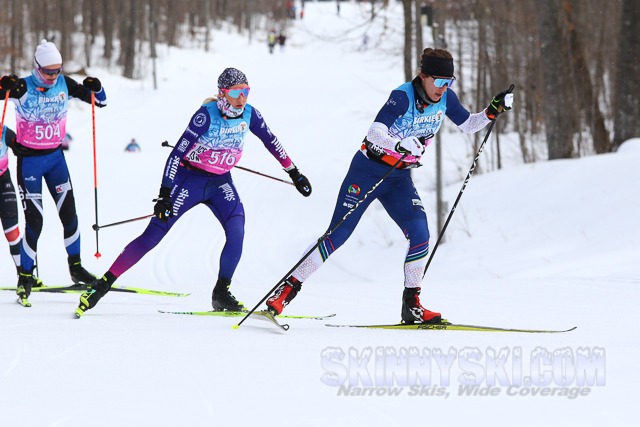
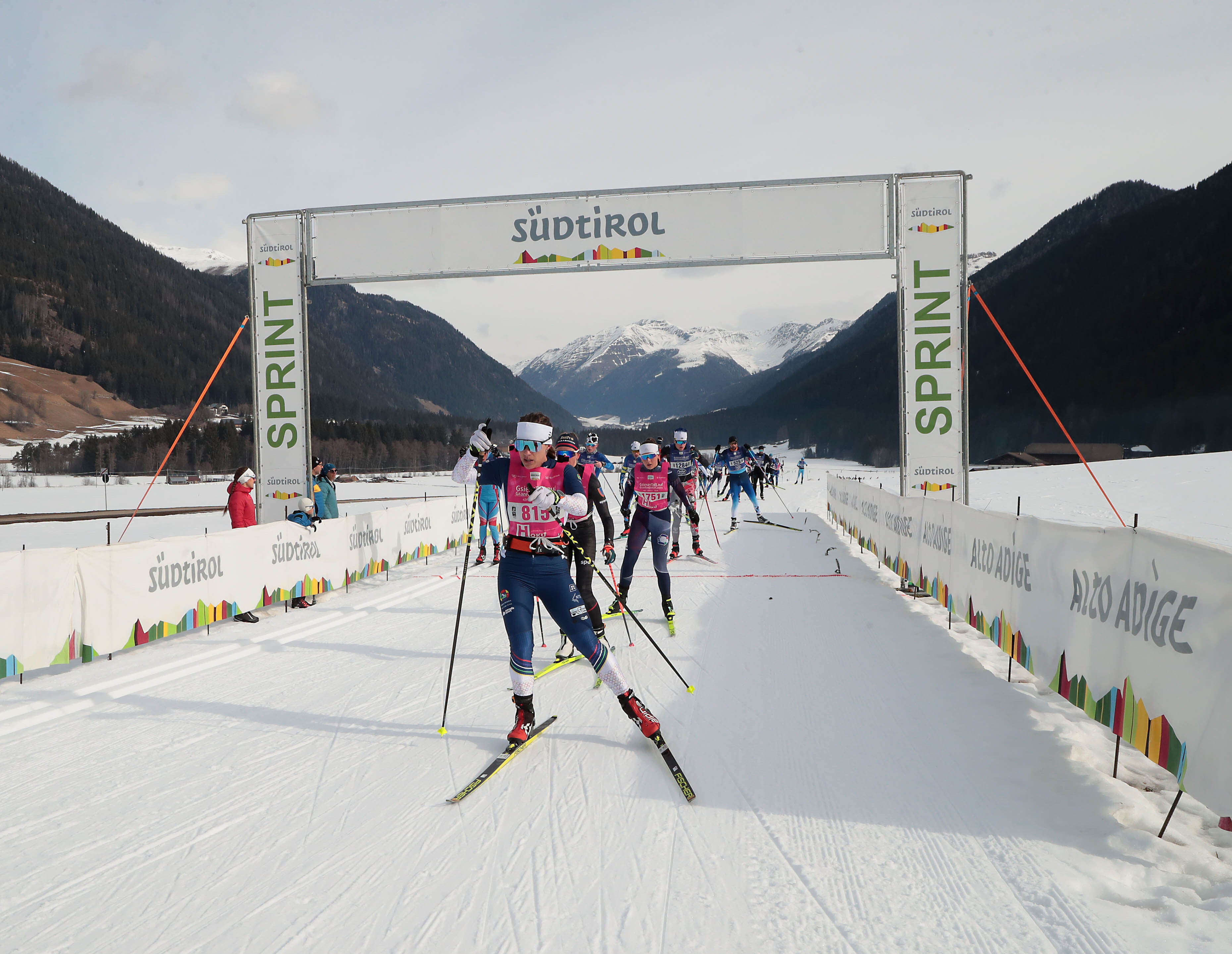
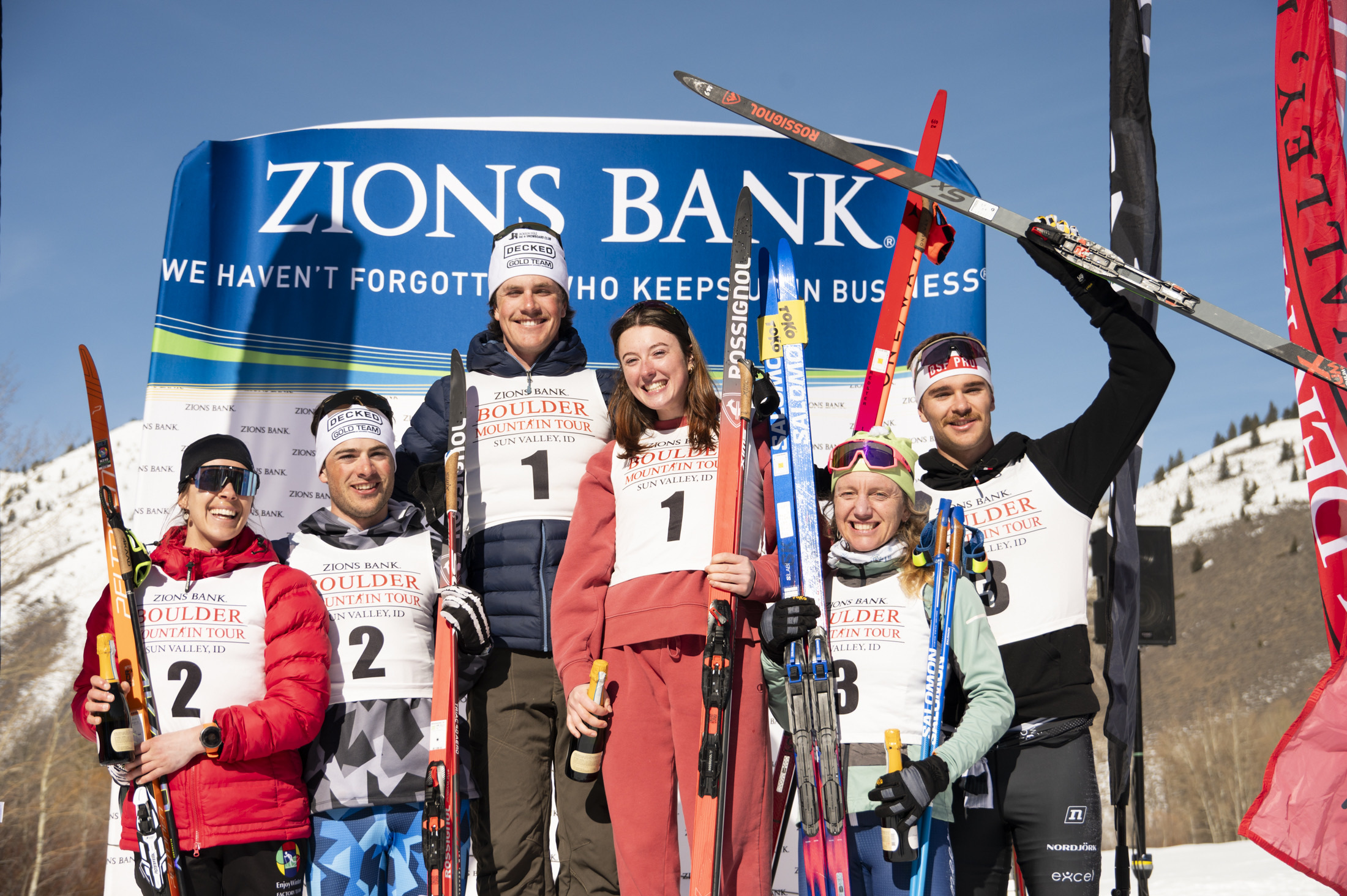
I ended up racing six marathons this season, three in the US and three in Europe. I had some lofty performance goals for my domestic races and overall I fell a bit short. But, I am not disappointed. When the goal is to win (BMT, Ski de She) or be top 5 (Birkie), those results are difficult to acheive even when everything goes well. Only one person can win each race, so being on the podium or in the top 10 in a competitive field is pretty dang good. I feel proud of the results I achieved this season, including a personal best result at the Engadin and a 2nd place finish at the Fossavatngangan in Iceland.
Assessing performance goals is pretty straightforward; either you achieved them or you didn’t. Assessing process goals is a little more involved, since there tend to be much more of them and they can change from week to week, or month to month. I divide my process goals into micro goals and macro goals, and a few inbetween. “Micro” does not mean unimportant, rather it is a demarcation of the timeframe in which that goal is achieved e.g. daily. Micro goals are small things that I want to do each day that overtime will add up to big gains. A few of my daily goals included:
- 8+ hrs of sleep each night
- Smart fuel, before & after training
- Prehab exercises before training
- Rehab Exercises after training
I highlight these goals because I consistently achieve 2/4 daily - not great. My sleep schedule is one of my biggest weaknesses, since I am both a night owl and an early riser, and I struggle to get more than 8 hrs. According to my Whoop, I got 8+ hrs of sleep 130 nights, and 108 nights were less than 7 hours (out of 362 nights of recorded data). That is definitely not enough to support the amount of training I am doing, and this remains my most important process goal going forward. Process goals are all about routine and consistency. When it comes to things like sleep, and body maintenance, finding routine that makes these goals easy is the key. For example, I know that looking at my phone before bed keeps me up late, and makes it much more difficult for me to fall asleep. I invested in an simple alarm clock, and leave my phone in another room before going to bed to reduce temptation.
Besides micro goals, I also have bigger picture ‘macro’ goals that have nothing to do with performance or training, and everything to do with how I approach skiing and running as a sustainable lifestyle. 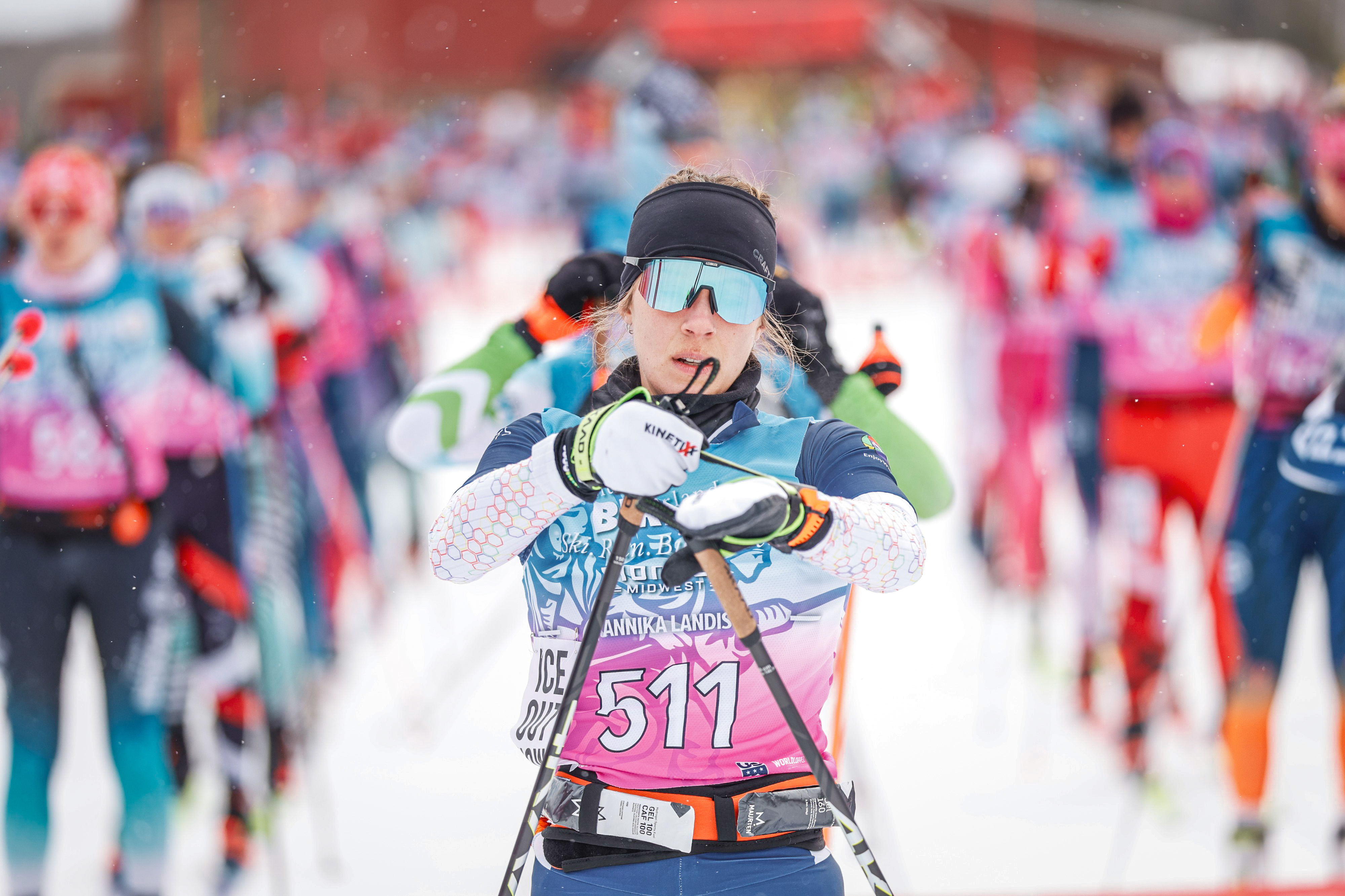
Balance
My biggest frustration when I was racing on the SuperTour was feeling trapped in a training schedule that didn’t allow me to do the other things in my life that I really enjoy. Don’t get me wrong, I enjoyed the structured training, I understood it’s purpose, and I saw the results. But I also longed for the freedom to be spontaneous and not worry what the effect would be on my training. An example I’ve already mentioned is taking a hut-based avalanche course 1.5 weeks before the BMT. I also took a mountaineering course this spring, and flew out the next day to Iceland. I would never have done those courses earlier in my career because I would have been worried that four days without training would impact my performance. And maybe it did, but the benefit for me of choosing to invest in what matters to me, in addition to training, outweighs any performance detriment. I love having the ability to lock into really structured blocks of training, but also be able to say yes to a family camping trip, a hike with a friend, a long mountain adventure, or a night out.
Enjoyment of the Process
Enjoying the process is probably my number one goal every year. If you don’t love what you do, why would you do it? As any athlete knows, not every part of the process is very enjoyable. If we have big goals, that means we have to invest a lot of time, effort, emotional and physical energy and mental toughness into achieveing those goals. There are days when things feel really hard and the thoughts of “why am I even doing this?” creep into your headspace. Well, why are you doing this? Having clear intentions for why you are training a certain way and what is important to you can help keep you grounded during the inevitable lows. For me, my solution is to chose training that I like to do, and do that 80-90% of the time. This is a trade-off for sure, since I could really use more L4 and sprint training, but it allows me to be excited to get out the door everyday.
Community Engagement
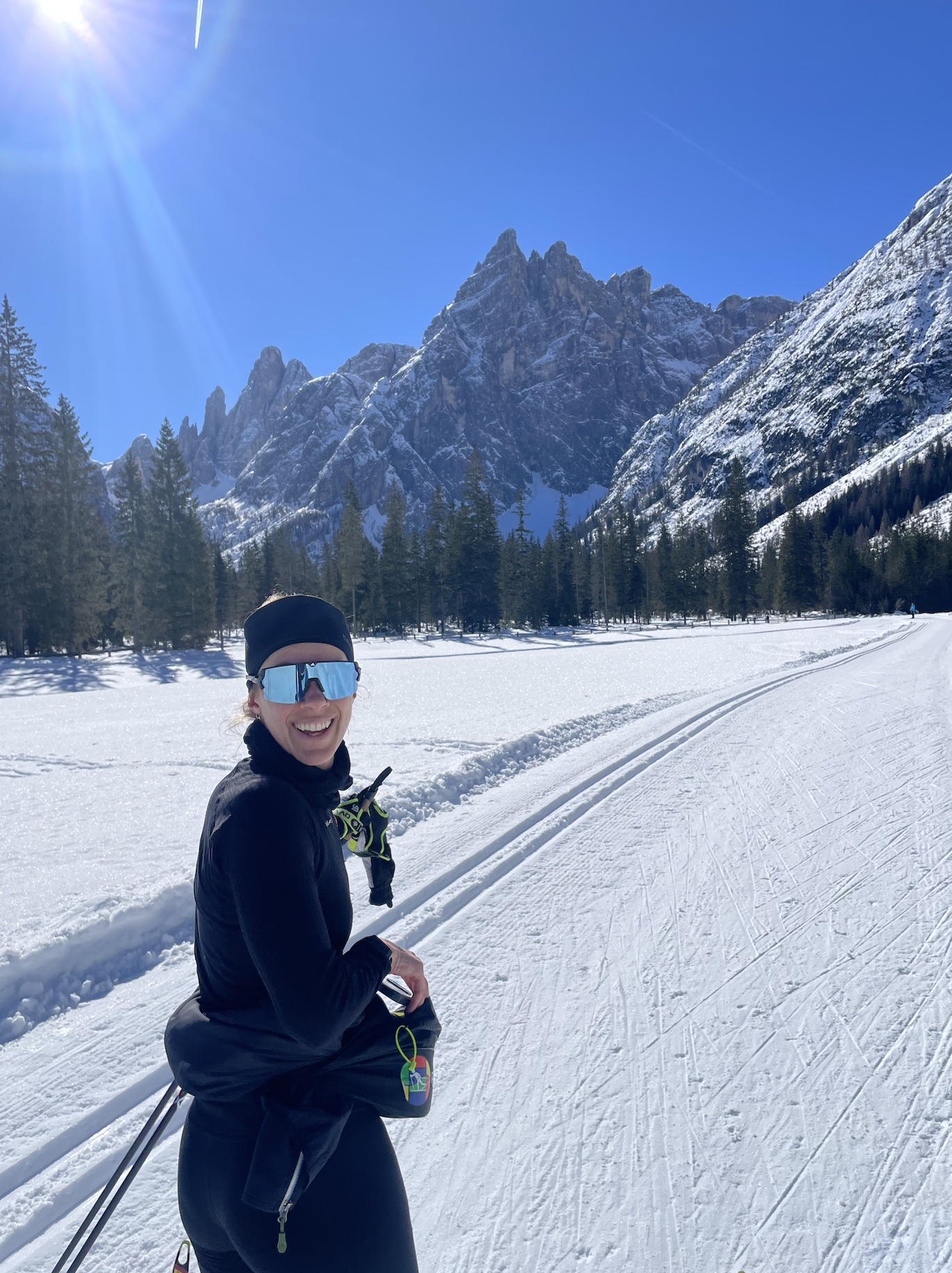
Lastly, as I’ve reiterated ad naseum, the best part of skiing is the people, and I always try to give back and be present in the community as much as I can. At events like Ski de She, this engagement is a priority of the weekend, and it’s built into every part of the race. Engagement can also be more subtle, like visiting the local ski shop when I am in town for a race or chatting with the volunteers. It can mean staying a bit later after my race is over to cheer on other competitors, or having a conversation with the race director. Those are just a few minor examples, but highlight just how easy it is so spend a little extra time engaging with the local people who make these races successful.
Engagement can also be more direct. This winter, I coached the SVSEF Prep Team (middle school age) and it gave me the opportunity to engage with the future of the sport. In reality, they are the sport NOW, because without the youth programs and the buy-in from young athletes and their families, the higher level would not exist. I enjoyed coaching this age group way more than I was anticipating. They are at the age where the point of skiing is to have fun, and the competitive aspects are all centered around that crucial principle. It was also rewarding to tell the kids that I started right where they did, and that the same combination of competitiveness and fun that they bring to sharks and minnows can easily be transformed into a race mindset, if that is something they want to pursue.
What does next year look like?
The last part of my reflection process is always the question: What do I want my next season to look like, and how do I apply what I’ve learned into my future goals and plans. I find this part to be the most difficult, because it’s not just an assessment of the past, but making a conscious choice to make commitments to the future. That can feel daunting in the spring when I still don’t feel recovered from the past year of training and racing. But, I always remind myself that goals are just guidelines, and they can always change if things change and life takes you in a new direction. So the short answer is that I’m not done racing quite yet, and I have some competitive running goals for the summer that I’m excite to tackle. I’m keeping a purposefully flexible and open mind so that I can adapt my plans to focus on what feels fun and exciting.
Thank You’s!
I need to take the time to thank all of the people who made it possible for me to continue doing this thing I love. Thank you to Lizzy’s Fresh Coffee in Ketchum for keeping me well supplied and wide awake; to Paradis Sport for keeping me comfortable from the first layer; to Joan Scheingraber for her expert acupuncture, to SVSEF for continuing to treat me like one of their own; and to all of the coaches, athletes, friends, and parents who provided me with waxing, transportation, lodging, logistical support, cheering and so much more.
Thank you to my parents, who continue to be my biggest supporters, and make ski racing ‘for a living’ a reality. And lastly, a huge thank you to Andy Gerlach and EnjoyWinter for being the foundation that makes this all possible. It is such a privilege to do what I do, and I am endlessly grateful for all of the support.