
Posted by Gretta Scholz - Team SNØ on Oct 9th 2026
Why We Do Time Trials and How Are They Helpful?
Fall marks a shift in training for many XC skiers. The focus on big summer volume and L3 intervals is over, and it’s time to prepare for race season! This doesn’t mean a huge reduction in hours or neglecting the volume we’ve worked hard to accumulate over the summer; however, it does mean an intentional shift towards higher-intensity VO2 max intervals and time trials. This focus on higher speed and intensity at VO2 max helps prepare the body for race speed and transition some of the efficiency we’ve worked on over the summer into race-effort workouts. While anaerobic and Vo2 max intervals are vital for fall training, I also believe that time trials are equally as valuable and in some ways more important for race preparation.
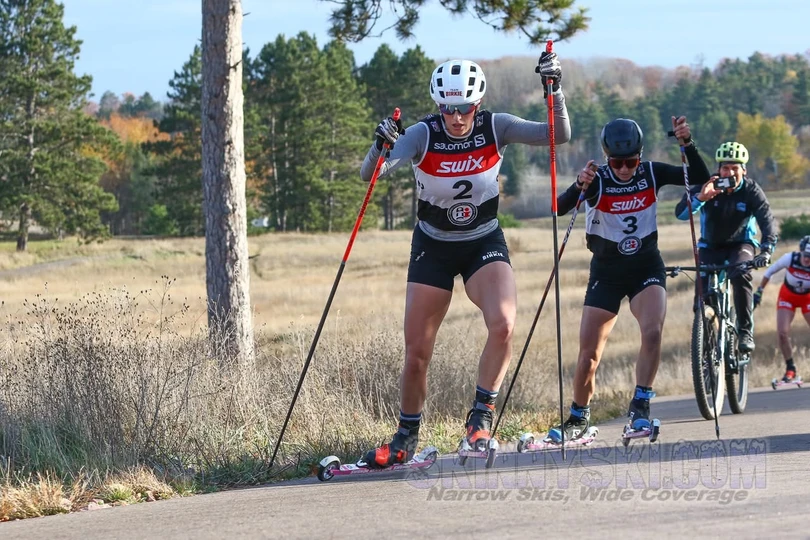
For one, time trials simulate a race effort that you won’t experience in the same way as an interval. You are simulating a race to the best of your ability, whether that is a 5k, 10k, 20k, or sprint sim; your body is exerting and responding similarly to a race. You are physically putting in a race effort before you actually get to a real start line. This allows your body to remember what it feels like to truly push through a distance race or back-to-back heats in a sprint sim. It is also beneficial to do time trial distances that maybe aren’t your strong suit to get extra practice in your weaknesses. For example, if you don’t often make it through sprint heats and get fatigued early on, it can be helpful to practice a full sprint sim and work on pushing your body all the way through to a final. Alternatively, if you struggle more in one technique, doing time trials in your weaker technique and focusing on efficiency at higher speed can offer you insight into what makes it more difficult and where you need to focus on improvement in pre-season training.
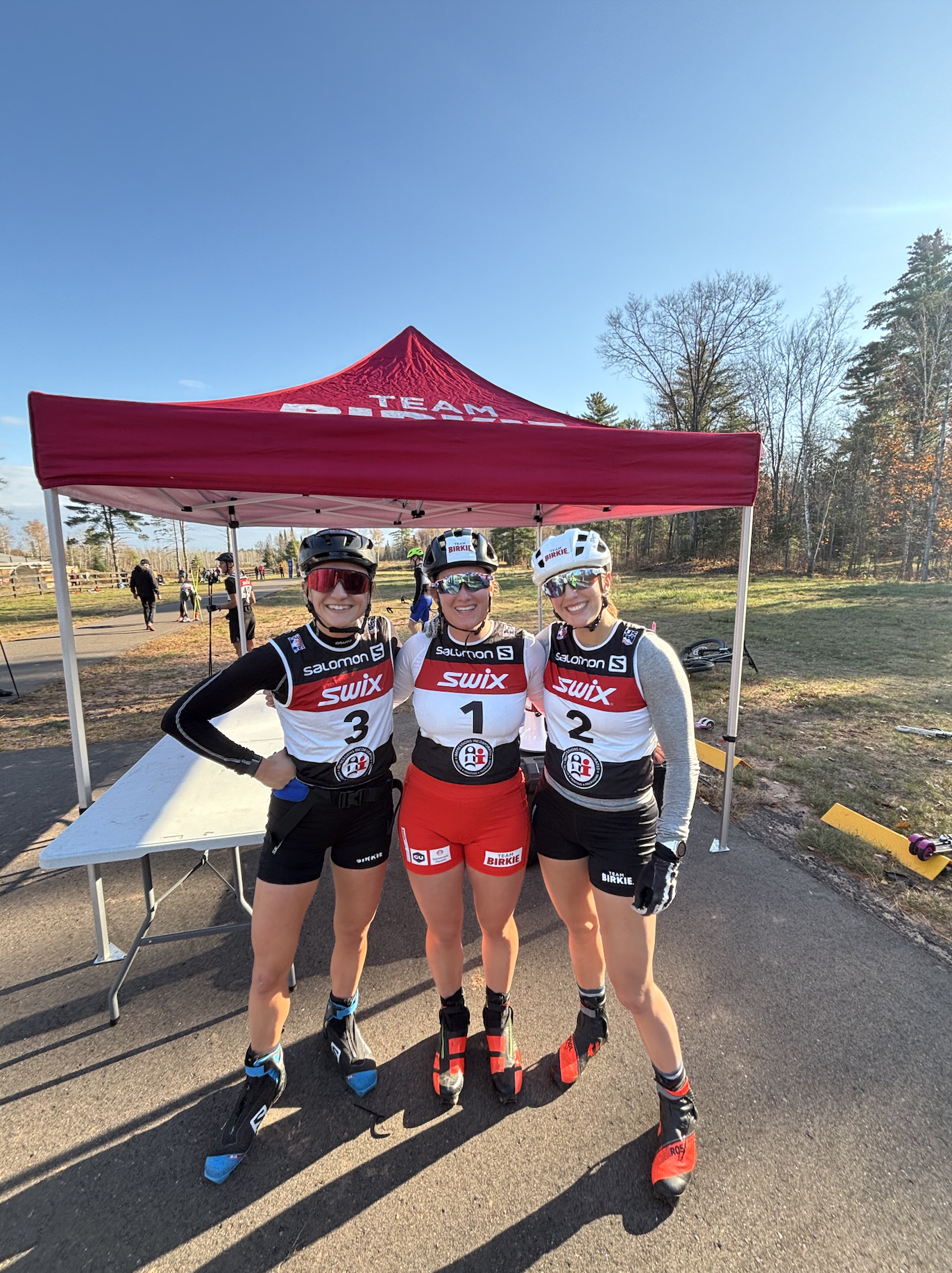
While it is not always possible to simulate the environment of a race in a time trial, simply going through the steps you take for a race can be useful. This can mean a multitude of things: nutrition, warm-up, race fuel, and pacing. Time trialing allows you to practice and work out kinks in your pre-race and race plan that you won’t get in a typical interval session. I like to treat time trials as similar to a race as I can. I still set process and technique goals, I eat a breakfast that I eat on race mornings, I do my typical pre-race warm-up, and I have my typical pre-race fuel. Time trials are also perfect for implementing things you’d like to try but don’t want to introduce on a real race day. Sticking to the same plan but altering one or two things you’d like to try is a great way to see if the changes are improvements you want to implement into every race day or are, in fact, not going to be a change you want to keep.
One of the things I don’t think is talked about enough is the mental challenges of racing and the benefits a time trial can provide. Intervals physiologically prepare your body for race efforts; however, it can be really hard to mentally approach an interval like a race. This is something I have struggled with a lot in the past. I get to the first races of the season, and I don’t feel like I can get into the race mentality. I can’t get to the headspace I need to in order to push my mind and body to their greatest extent; it’s overwhelming, and I haven’t pushed myself to that point in many months. Practicing the mental side of racing in time trials is really beneficial for me, and something I think can be really helpful if you get pre-race nerves or just don’t feel ready to hop into the competitive mindset of racing. I make sure I do the mental pre-race prep I do before winter races in time trials so that it doesn’t feel overwhelming and like an unused muscle when I get to the start line in December. Some of what that looks like for me are: writing my goals down in my goal journal the night before (technique and process goals mostly), using mindfulness practice to give myself mental cues on what I want to be focusing on mid-race, and going through my warm-up and race with a plan I can stick to and revert back to when I find my mind wandering.
All this being said, time trials are a tool to be used along with interval and volume training, not something to be done all of the time. Do too much, and you start lowering your aerobic threshold too early and reducing the efficiency you’ve built over the summer with L3 aerobic intervals. We do maybe 1-2 time trials over the entire summer, and I do not implement them into regular training until fall training begins. This gives you enough race practice without being detrimental to your fitness. Time trials are also NOT a workout to be done every week in the fall. Spaced out a couple times per month going into the race season gives you ample time to try some new things out and dial in your race plan before getting on snow! I believe time trials to be important mechanisms for fall intensity, but finding the balance of how much race-like intensity vs other anaerobic intensity works for you is, of course, most important.