
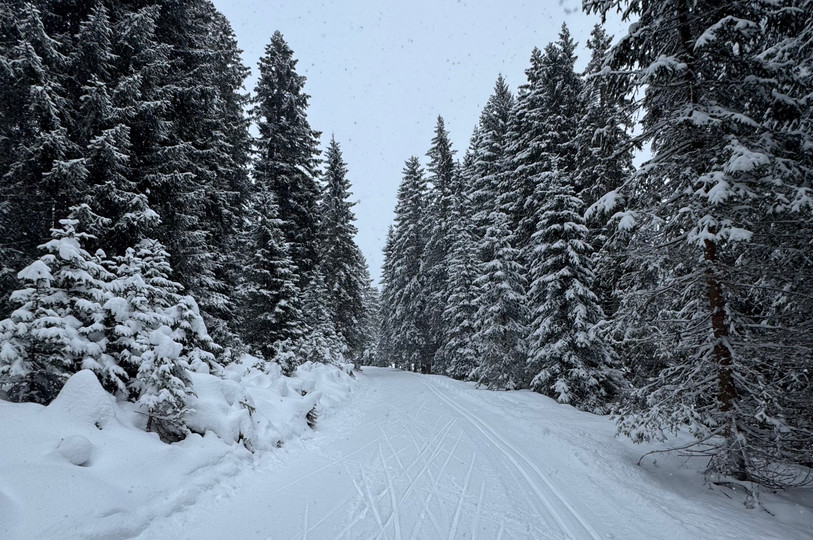
Posted by Jack Young: EnjoyWinter Athlete Force on Jan 17th 2026
Recovery Camp in Seefeld, Austria
I started last week’s blog by explaining the circumstances surrounding my early exit from the Tour de Ski. I wrote that I was a little bit tired and wanted to err on the side of caution, for the last race, the hill climb, wouldn't have been very productive training even if I was 100% healthy. It turns out that I was in fact exhausted at the time of my exit, and it has taken me a lot more time this year than it did last year to fully bounce back. I got a very minor cold last Monday, and it took until the end of last week until I was fully healthy again. It wasn’t until a full eight days after I exited the tour that I did my first real training session. The minor illness could have been a silver lining in this regard, for I may not have otherwise heeded the signals that my body was sending me about how tired I actually was. The tour was short in both distance and number of races, so I expected to be able to return to training earlier and harder than last year. This proved not to be the case.
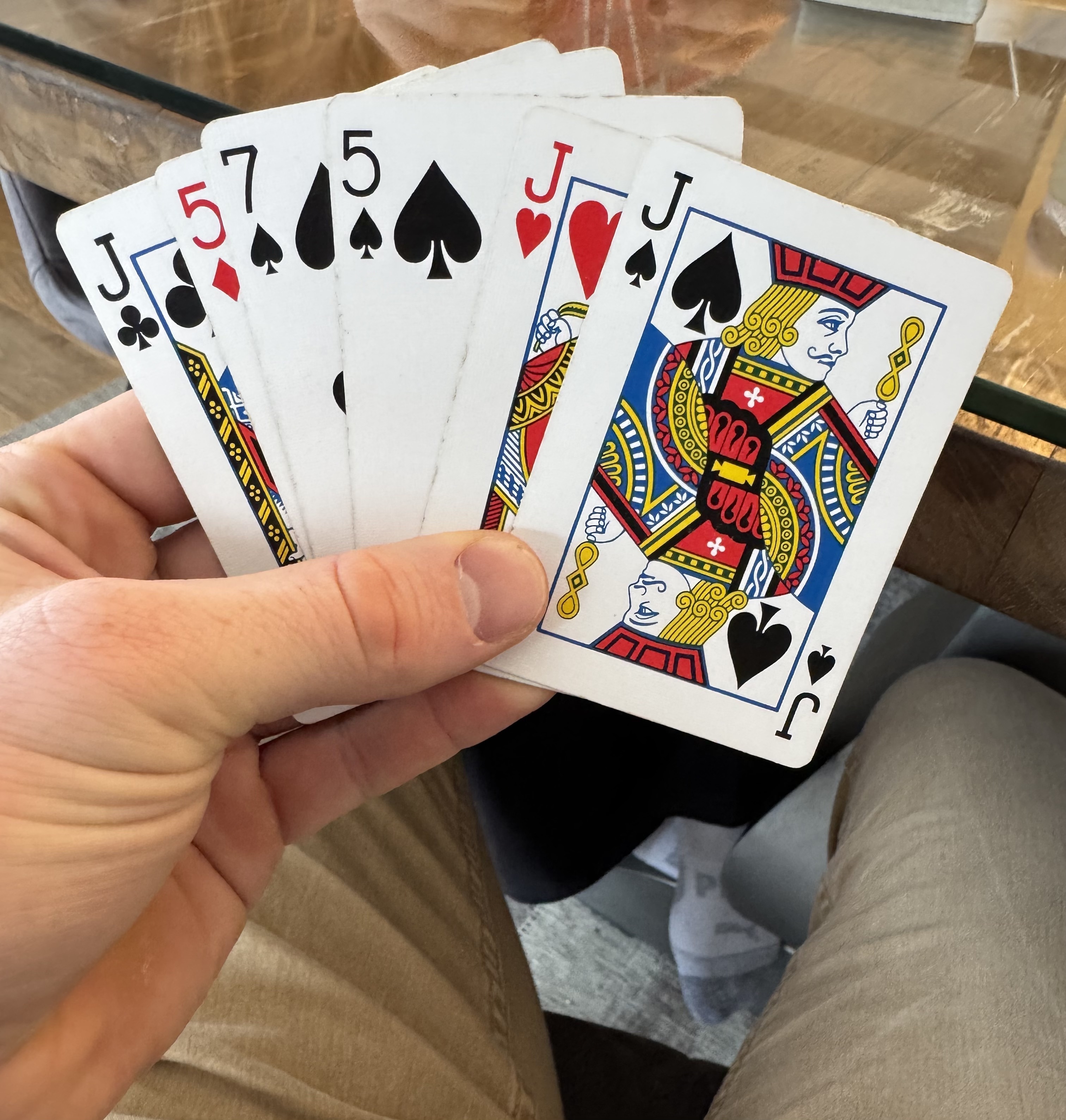
So close but so far
I already wrote an article on how I approach mental and physical recovery through the lens of a vacation I took to the Czech republic this summer, but this recovery week in Seefeld feels unique enough to expound on. This camp in Seefeld was less relaxed than my vacation to the Czech Republic because of the proximity to the coming Olympic games and the extra emphasis on strict recovery that the tour caused. This higher stress environment made it harder to unwind, so finding ways to relax in this setting became crucial to recovery by the more holistic definition of the term.
In the article this summer, I pointed out an important difference between how I understand recovery versus relaxation. In short, recovery is something that you intentionally do other than training, to boost performance in training or competition. On the other hand, the definition of relaxation I am working with for the purposes of my argument is “the state of being free from tension and anxiety”. Of course there are activities such as reading or playing card games that can achieve both recovery and relaxation, but often the two are more at odds than one would think.
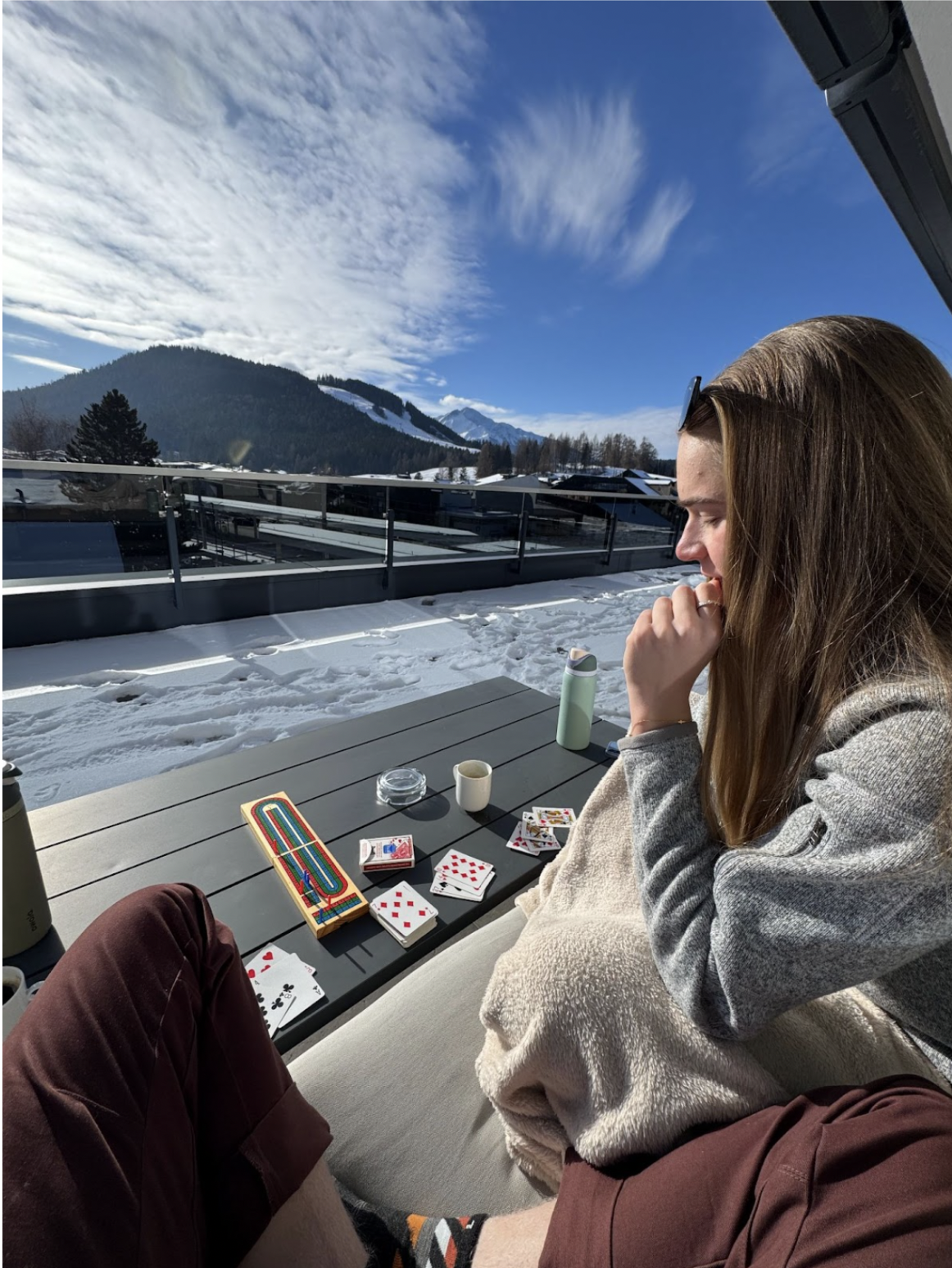
Very relaxing
The first step towards relaxation during the first week of camp was avoiding thinking about the Olympics, classic sprinting or even ski racing in general. This, of course, is easier said than done, especially when I spent 4 nights of the first week here watching the US nationals live stream. There will be plenty of time to tweak about how I can improve my classic qualifier by the time of the Goms world cup, but for now, the best course of action was to try and let it all go. Of course, the best way to think about something is to try and not think about it. So, during the first week in Seefeld, when I was barely training, I tried to fill my days with many relaxing things that I love to do.
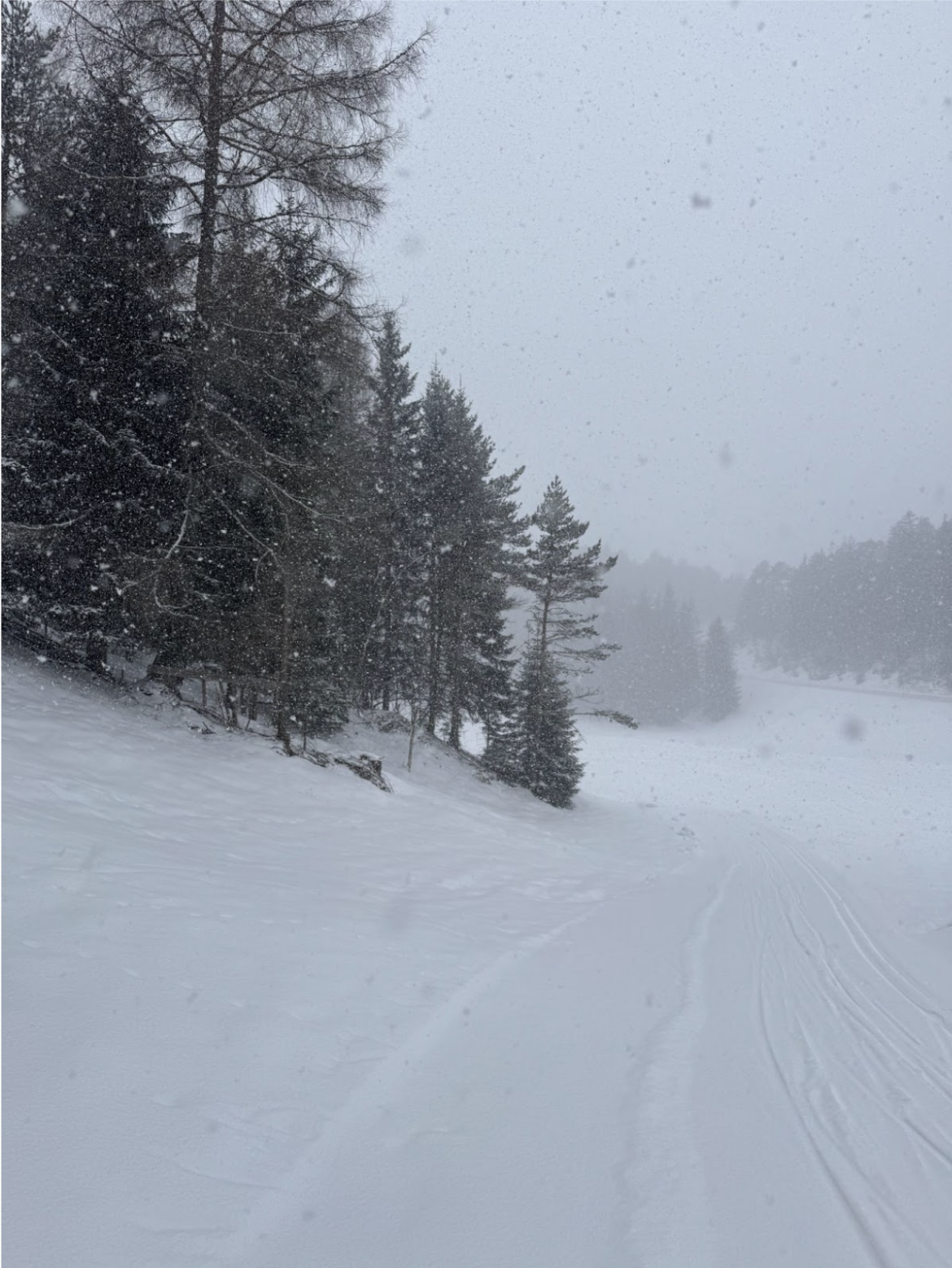
Snow! finally…
So what have I been up to?
A blessing in disguise showed itself right at the beginning of camp. Our chef, Cada, was delayed by two days, so my girlfriend Anna and I were on our own cooking for the first three nights. Cooking my own meals for a few nights was a much needed break from the standard world cup diet, especially coming off of the tour where eating starts to feel like a chore. Additionally, cooking takes up a few extra hours of days that can start to feel empty without training. It was great once Cada arrived, but I was happy to get a few nights of cooking for ourselves.
At the beginning of this camp, before I was really training again, I got to go skiing purely for fun, not training, with Anna. This was surprisingly nice, for I almost never cross country ski without some sort of training intention.
Even though I slept plenty of total hours during the tour, the quality of my sleep declines rapidly at the end due to factors like overuse of caffeine and fatigue. It was really nice during this week of recovery to actually focus on sleeping a little bit less and getting back to more efficient, better quality sleep.
This may sound counterproductive, but one of my favorite parts of this week was getting to watch the US nationals live stream. I may not have wanted to think about my own ski-related stressors, but nerding out over other people’s Olympic prospects is right up my alley.
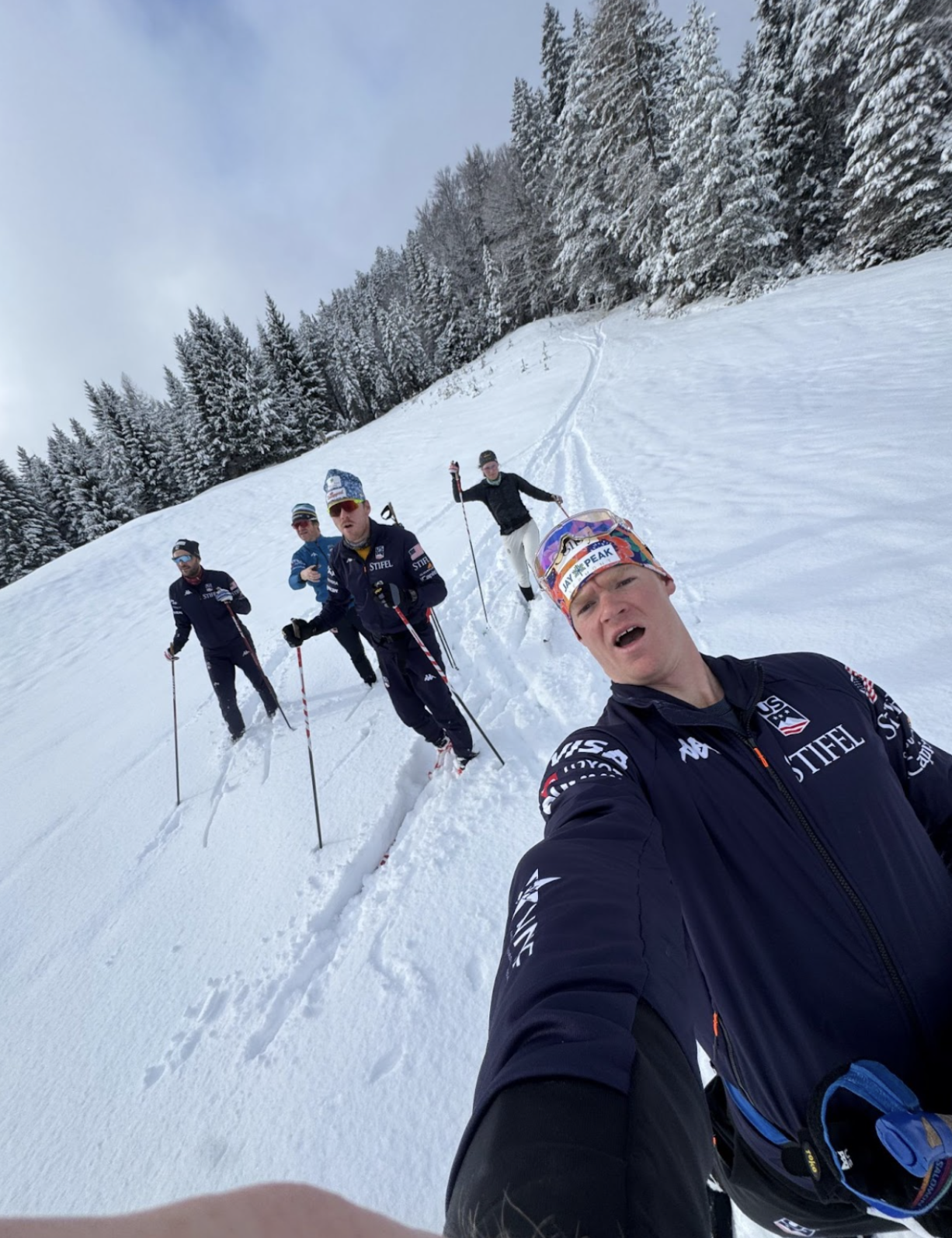
Adventure ski!
One of the most important parts of this week was really enjoying the coffee I was drinking. Through my first season and a half on the world cup, I resisted the allure of buying my own pour over setup for travelling, but when I saw that the apartment in Seefeld only had a Nespresso machine, I knew that wouldn’t do. Luke Jager was kind enough to get me a gift card to Onyx coffee company for Christmas which has an outpost in Europe. I shipped some beans to Seefeld, bought a grinder and a V60, and finally started drinking one of my favorite beverages again: black drip coffee.
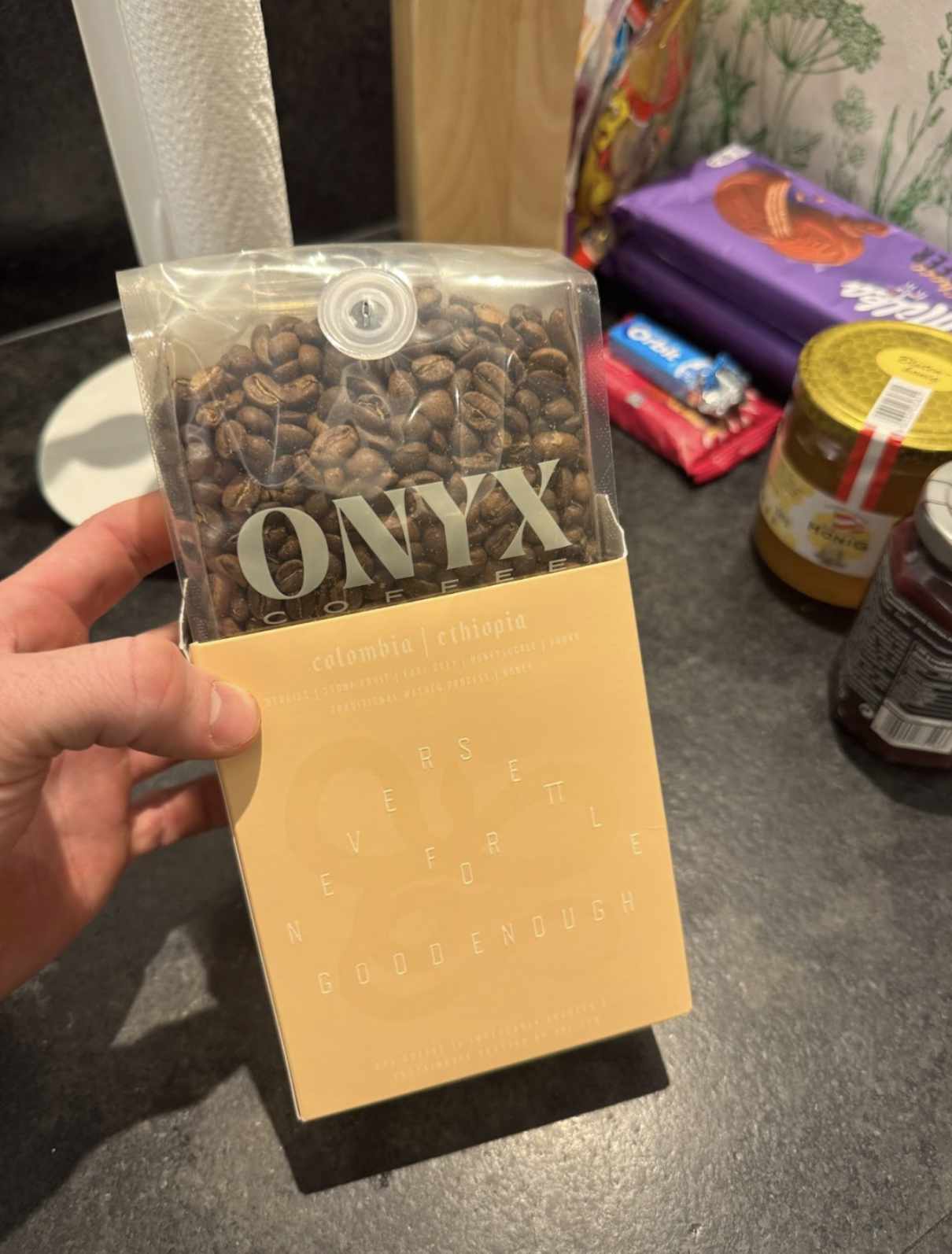
Yum
Other things I did to pass the time included: an evening in Innsbruck where Anna and I found a store where we could sample Schnapps, an eleven game series of Cribbage that I somehow lost, and a movie almost every night.
Could spending time lying in bed instead of on my feet cooking boost recovery? Could taking a break from caffeine for a week work as a nice reset for my body? Would it have been better to lie in bed and watch movies instead of going for a ski with Anna? Hypothetically, a lot of the things I did this week to relax were not perfect for recovery. They were far from bad, but the point is, and I made this point this summer, that perfect recovery all the time is really hard to do. I think by focusing a little more on relaxation this week instead, I have set myself up to attack the rest of this race season with all necessary vigor.

Innsbruck!
Back to Ski Racing
All good things must come to an end and so it is the same with the recovery week in Seefeld. I was fully over the minor cold by Monday and was ready to get back into the swing of things training wise. I did a short speed session (8x10”) on flat, high speed terrain skating on Monday. I really liked this session as my first one back for it can really quickly show me how I’m feeling. If I’m healthy and energetic, this should be one of my favorite sessions and it should also feel quite easy. If something is wrong, it could be uncovered by feeling a little off. Additionally, this session does a good job of waking my body up for the main event: 30” intervals on Tuesday.
Come Tuesday, it was finally time to think about classic sprinting again. I had done a good job all week of not dwelling on my performance in Val di Fiemme, but now it was time to try and fix what went wrong. The workout I had planned was 6x30” double pole starts followed by 4x30” striding up a steep hill representative of the big hill in Val di Fiemme. The biggest focus of the session was finding a fast but relaxed gear double poling that I don’t think I have been able to find yet this year. For the striding portion, I just wanted to go hard and fast and try to get up the hill as fast as possible.
I’m really happy with how these two workouts went, and I think I’m gaining back my shattered confidence in classic sprinting. However, before I can worry too much about the classic sprint in Goms, there is a race this weekend! I’m excited to race a skate sprint near sea level even if this race is one of the least important of the season for me. It’s fun to have a race on the calendar where there is plenty to gain from racing well but few consequences for failure.
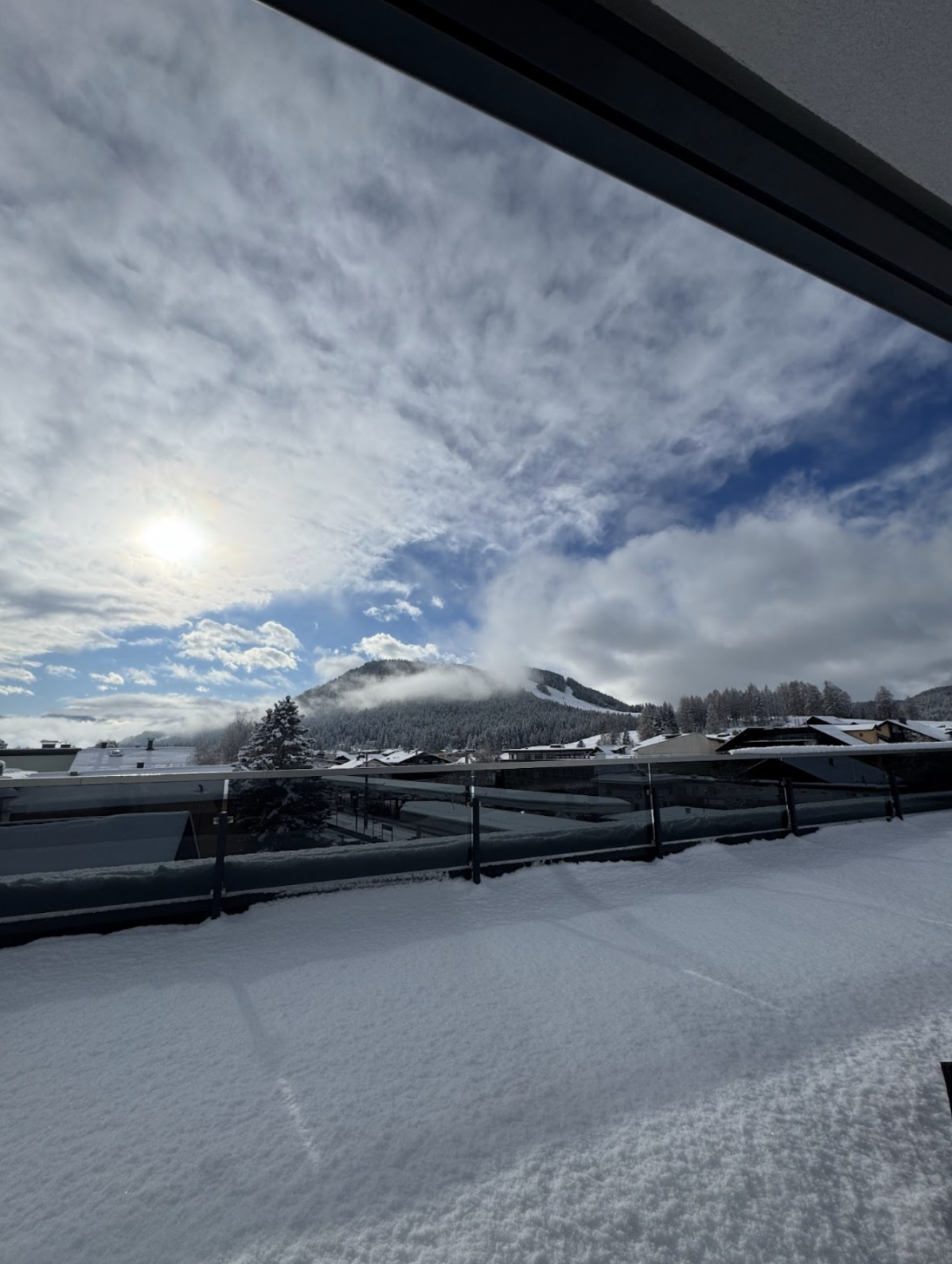
View from our apartment
The Olympics
Finally: the topic I was trying not to think about during the recovery week. Whether I will start or not at the Olympics is on my mind a lot, but luckily for me, there is nothing I can do right now about this. I did what I thought was best for an interval session on Tuesday, and I executed. Additionally, the logical progression towards the games involves focusing as much as possible on the classic sprint in Goms. One of the things I’m going to be trying to do in these blogs is take you readers through how I mentally prepare for the games. Right now, I think the best course of action is to just not think about it. It will be much more impactful to fixate on Goms and the run up to that race. Since my performance in Goms is the only way I can impact the Olympic start selection at this point, that race, and whatever I can do to best prepare for it, is at the forefront of my mind.