

Posted by Jack Young: EnjoyWinter Athlete Force, OLY on Jan 31st 2026
My mental approach to the possibility of not racing at the Olympics
Cover. credit: FIS
During the days following the Olympic team announcement, I was riding quite high. Although I had known that I would most likely make the team since mid December, it was still an extraordinary experience for the news to go public and to receive so many congratulations from friends and family. The announcement happened last Thursday, two days before my last chance of earning an Olympic start in the classic sprint. As I explained in my post following the Tour de Ski, I was on the outside looking in since four guys on the Olympic team raced better on the Olympic course than I did. The classic sprint in Goms this past weekend was my last chance to prove that I belong on the start line come February 10th–the day of the Olympic classic sprint. Not only did I fall short (qualifying 39th, +1.47 from 30th), Gus, Ben, JC and Zak all had excellent days. Any question of who would be the four starters for the Olympics was erased after Goms, and I found myself on the wrong side of the chopping block.
By Saturday evening, I was in a sullen mood. The realization that there was a high chance I wouldn't start at the Olympics hit me harder than I expected. I have known since it was a goal of mine to make the Olympics that making the team and not starting was a very real possibility. The criteria rewards outstanding performances in skate and classic equally even though the Olympics this year only has a classic sprint. I guaranteed my spot on the team with my skate results, but I was unable to make enough progress in classic skiing to earn a start. Because I knew this was a possibility from the beginning, I thought I wouldn't have too much of a problem grappling with the realization, but the exact opposite has been my experience. As congratulations continued to pour in, people wishing me luck in a race that I likely wouldn’t compete in started to weigh on me. I felt like I was letting down everyone who was showing their support because there is a chance I don’t race.
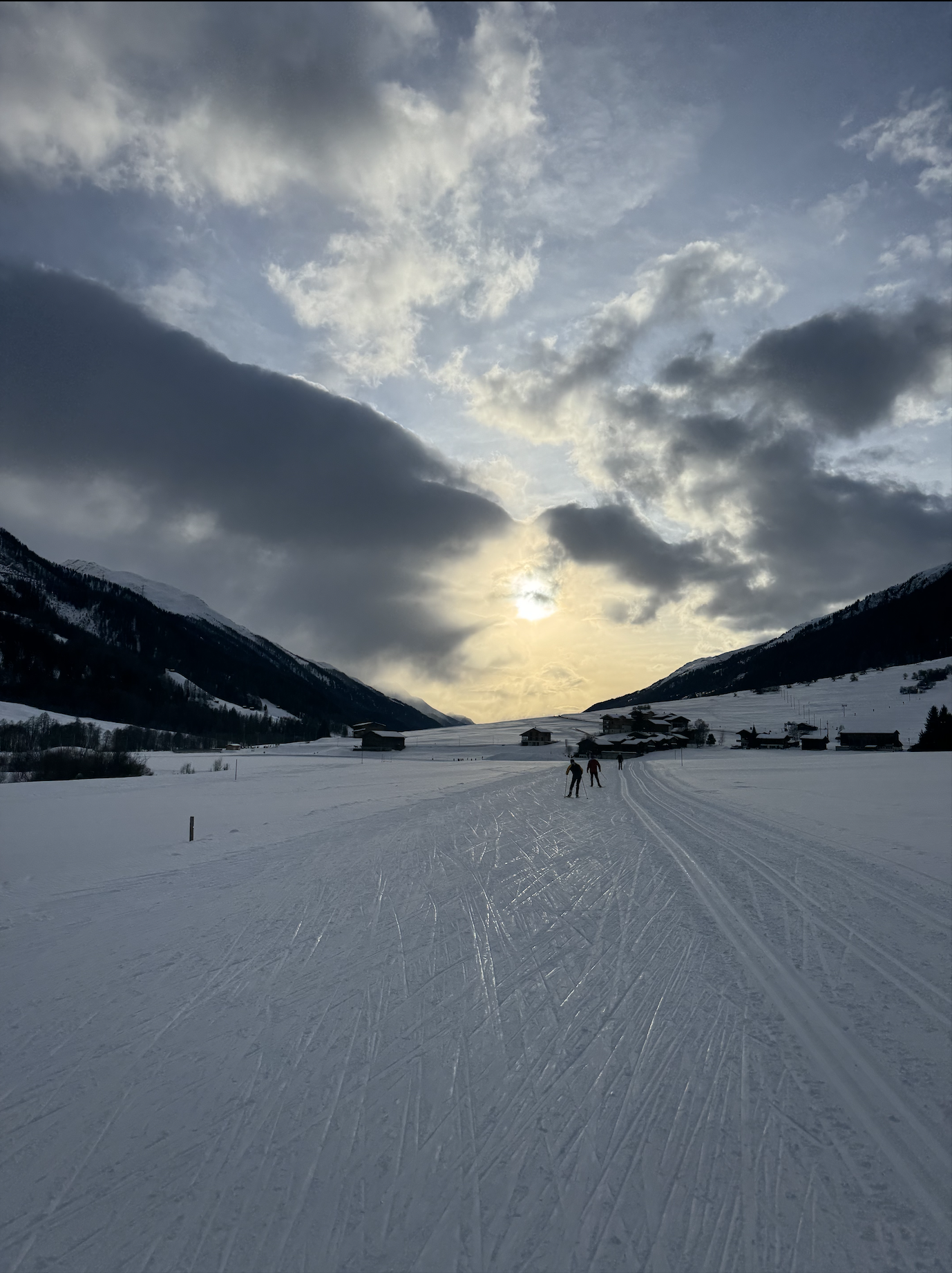
A picture from the mind clearing ski I took the evening of the Goms sprint
It took a little bit, but eventually I was able to dispel this notion of letting the community behind me down. Upon further reflection, I realized that the people that I felt feel like I owed something to, the people who gave me significant help along the way such as my parents, coaches and teammates in skiing, understand the progress I’ve made in classic sprinting this year and the accomplishments I have had in skate sprinting. For others I’ve realized that I don’t owe anyone a chance to watch me ski on TV. Sure, it’s tough imagining a first time viewer of XC Skiing trying to tune into NBC to watch me race and realizing that I wasn’t even on the start list, but that’s just not something worth worrying about right now.
Once I had made my peace with the possibility that I wouldn’t race at all at the Olympics, I had to turn around and figure out how to prepare like I knew I had a start. As I stated in a previous post, the only way to approach an important race that you’re not sure if you’ll be doing is to fully assume that you will be doing it. Sure, it is frustrating to feel as if I am sacrificing a couple weeks that could be spent preparing for the skate sprints in period 4, but I owe it to myself and the team to be as prepared as possible in the case that I do race.
A Training Paradox
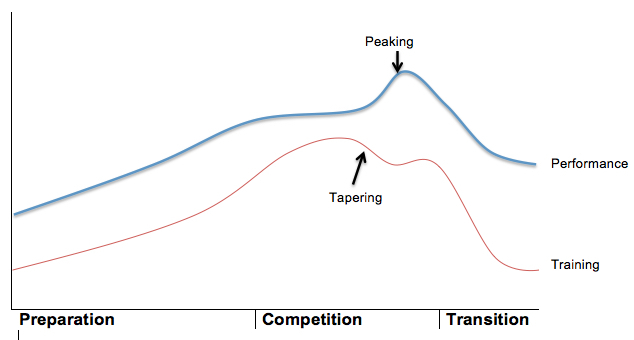
At this point, I am pretty happy with how I am approaching these next two weeks mentally. However, it is one thing to say that I am going to focus all of my energy on being as good as I can be on February 10th, and it is a whole other thing to specifically write a training plan to do that. Additionally, I will always have my performance in period 4 in the back of my mind as I make my way through these next few weeks of training.
The solution then becomes somewhat obvious: I need to write a plan that I can convince myself will both leave me as ready as possible for the games but also leave me with some confidence that I am preparing for period 4 and beyond as well.
Beautiful Seefeld
I am on the wrong side of a pretty aggressive peaking plan from period 1, and what I usually do to prepare for important sprints isn’t really an option. In an ideal world, I would feel confident that my aerobic capacity is in a good place and in the two weeks leading up to the games I would hammer really short fast intervals to make sure I was as sharp and rested as possible both mentally and physically. In the last two years, because I was still doing a lot of distance racing, I was staying very aerobically fit throughout the season. There is a chance that the focus on pure sprinting this winter has actually come around to haunt me now. It seems to me that in past years I took for granted how well distance racing maintained my capacity throughout the year so that all I had to do for sprinting was really short hard workouts to maintain the speed. This year, I’ve done much less of this starting all the way back at the end of October.
More Seefeld
With this in mind, the plan was to do a 4x sprint qualifier on Saturday in Seefeld, 4x90” on Wednesday on the Olympic sprint course, 6x30” on Saturday then race prep on Monday and race on Tuesday. The two main interval sessions in this plan are two of the hardest workouts I can imagine doing and are workouts I tend to avoid in season because they are so taxing both mentally and physically. However, with not having broken through in Goms, it has become clear that taking a small risk such as this may be necessary to have a chance at performing during the Olympics. Additionally, these workouts are hard enough to have a physiological impact that will help me not just at the games but down the road when I am racing in March. Hence, the plan is a solution because I am confident that it is the correct path both for preparing for the games and preparing for the future.
Sadly, I didn’t have a chance to try and execute this plan. I got sick on Tuesday, and finishing this post up on Thursday, I still don’t feel 100% while training. I will still try to do the 4x90” workout on Wednesday in Val di Fiemme, but the 4x qualifier workout had to be scrapped–it just wasn’t worth the risk if I’m not feeling 100% health-wise. Even though I won’t have a chance to go out and try what I outlined in this post, I’m still happy with the thought experiment it provided. I am happy with how I have approached the conundrum I find myself in mentally; I still have to be as prepared as possible for the games–even if the training looks a little bit different. In the end, I’ve tried to put an end to the pity party I’ve been throwing myself for the last few days and get excited for the experience I have in front of me. I’m grateful to have a chance to be a part of a really special US Men’s Cross Country Skiing Team even if I don’t compete. We have built a lot of momentum this year, and I’m happy to be a part of it.
Rate my setup