
Posted by Annika Landis, EnjoyWinter-NTS Factory Team Athlete on Apr 10th 2026
Marathon Skiing in the US vs. Europe
This year marks the third season that I have headed over to Europe to race in the spring. While I was there, I kept thinking about what brought me back year after year, and if there were any major differences between racing domestically vs. racing in Europe that contributed to that choice. I feel very lucky that I have the opportunity to travel to race and I’d like to share a few of my favorite things about racing in Europe that are distinct, and, in my opinion, make adding at least one to the career bucket list of any nordic skier. This isn’t to say one is better than the other, rather to highlight what, in my experience, makes racing in Europe a unique and worthwhile experience.
Overall participation and competitiveness
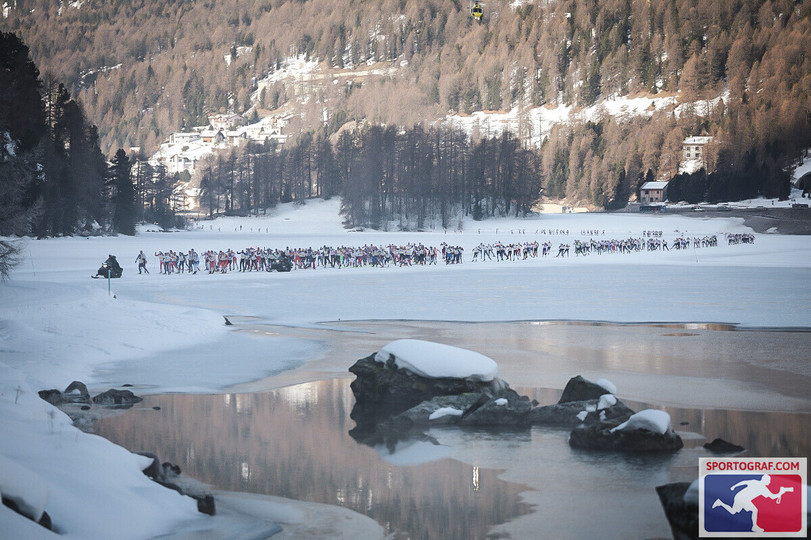
With a few notable exceptions, marathon races in the US tend to have less participation. This is likely due to a number of factors, like geography and overall sport participation, that make them less well attended. Not every race is as intense as the Vasaloppet, with 15,000+ skiers all starting at once (you can read my recap from last year here), but most races have deep fields, from the elite waves all the way down to the last skier. Even smaller local races are competitive and provide a great opportunity to race at a high level, both physically, and “logistically” since the races are incredibly organized. It is a unique experience to race with so many other athletes, and the only US marathon that can really compare is the Birkie. Participation extends into the spectators as well. In races like the Birken and the Vasa, spectators line the course almost entirely from start to finish, which is an impressive feat. Skiing is more culturally engrained, so it’s more common to find spectators who show up to watch and cheer, even if they don’t know anybody in the race.
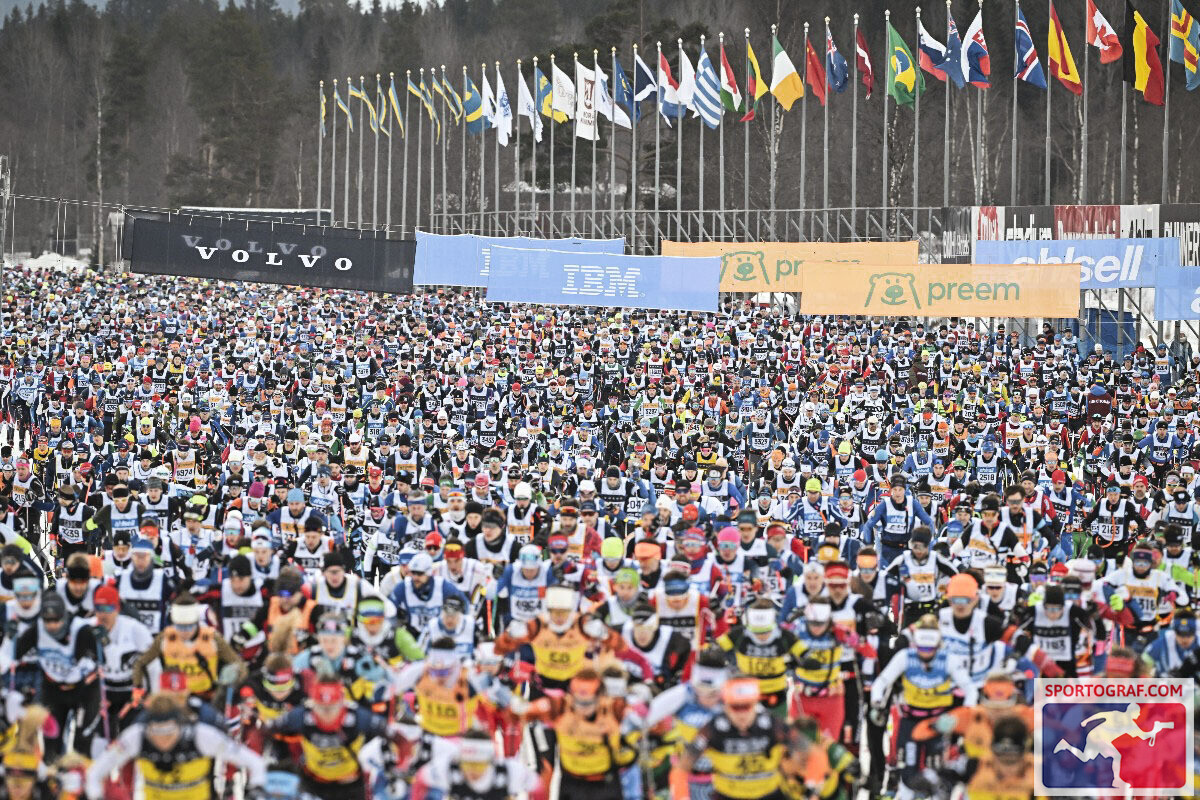
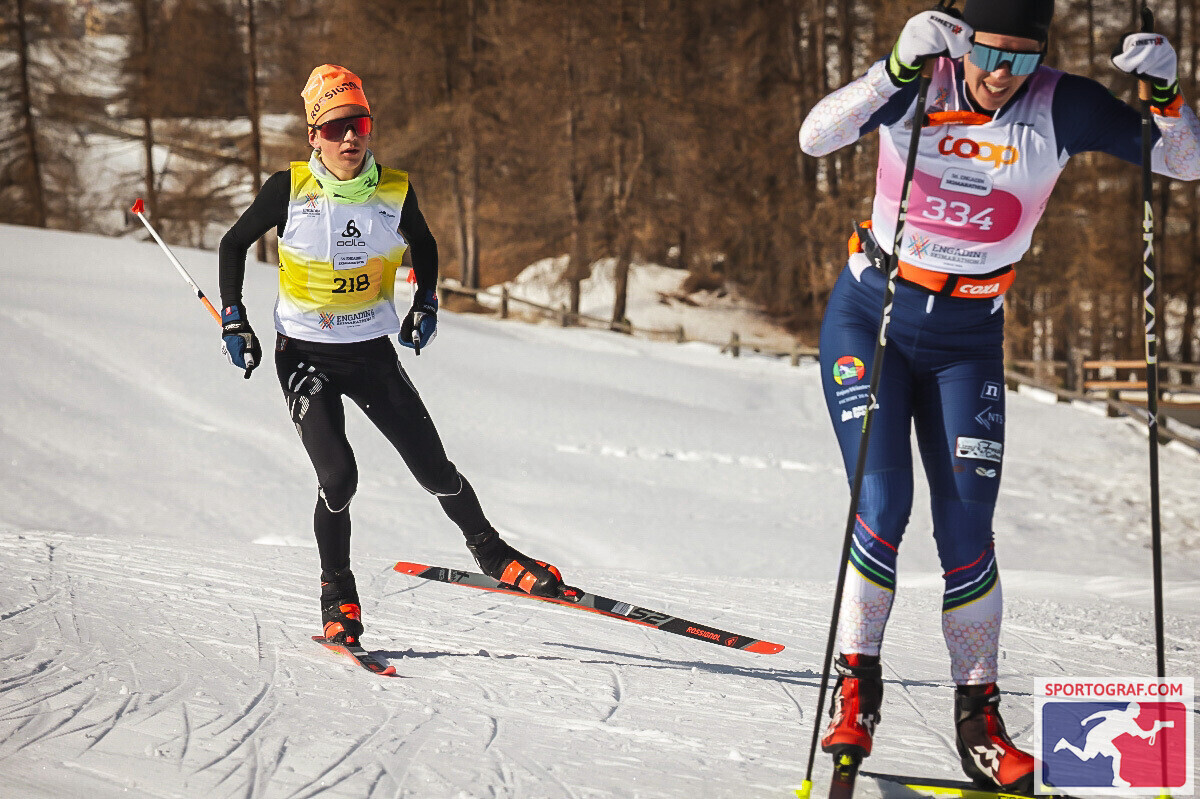
(top) Start of the Vasaloppet. (bottom) me fighting for my life against a 13yr old boy in the final kms of the Engadin.
Anonymity
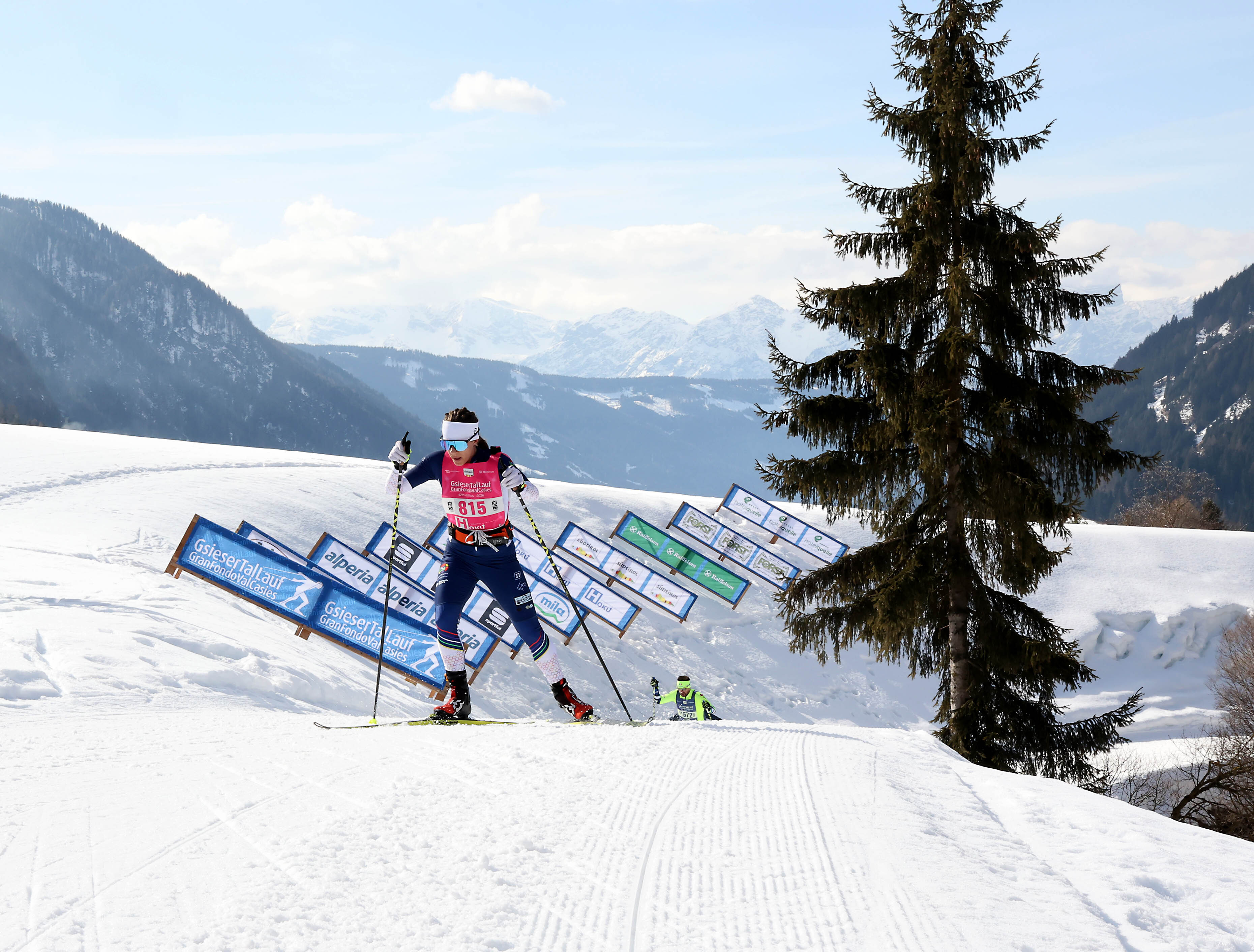
One of my favorite things about racing in Europe is the anonymity. It’s liberating to show up to the start line where nobody knows who you are and nobody has expectations for how you might perform. This is a double edged sword too, since I barely know anything about my fellow competitors either! As many racers do, I sometimes overthink how others will assess my performances, as well as my own expectations. In the Boulder Mountain Tour and the Birkie, I have a history of results that influence my goals and desired outcomes and that adds a certain level of stress (not necessarily in a bad way) around the race outcome. However, when I participate in a race like the GseiserTal Lauf, or even the Vassaloppet, the lack of any previous race history allows me the freedom within myself to approach the race however I want to. I can take a risk and go as hard as possible from the start, or I can ski more relaxed and have fun, without any preconceived expectations. I think there is also something really cool about being just one skier among tens of thousands, each with an individual journey within a larger collective.
Guys & Gals
Another fun aspect of racing in Europe is that it is more common for the men and women to end up skiing together. While this is a common experience for many skiers in the later waves of popular marathons, it is less common at the elite level where there are designated waves for men and women that are separated by time. This has benefits for the women’s field - we can draft off of the men and get a race benefit from skiing behind someone a bit faster. However, this can also be a bit tricky for the women for a few reasons. First, as in races like the Engadin, the men typically pass the women’s field right at a pinch point on the course, which often leads to the lead group of women being splintered. If you are not in the right position, or you get unlucky, this can decide your race. Second, men ski differently, both technically and tactically and it can be difficult to match the rhythm of the guys around you. For example, my V2 alternate as a shorter woman is going to have a higher turnover than a 6’2” guy. Tactically, men also tend to be (on average) more assertive and less likely to give up their space in a drafting line, and occasionally their egos can’t quite handle skiing with a woman instead of against her. To be clear, the vast majority of guys are great and are fun to ski with, but it's also worth learning how to stand your ground in the rare situation where a guy is not a good sport. I have learned a lot from racing this way on how to defend my space and be more aggressive in a mass start, and how to ski relaxed and efficiently behind a wide variety of techniques.
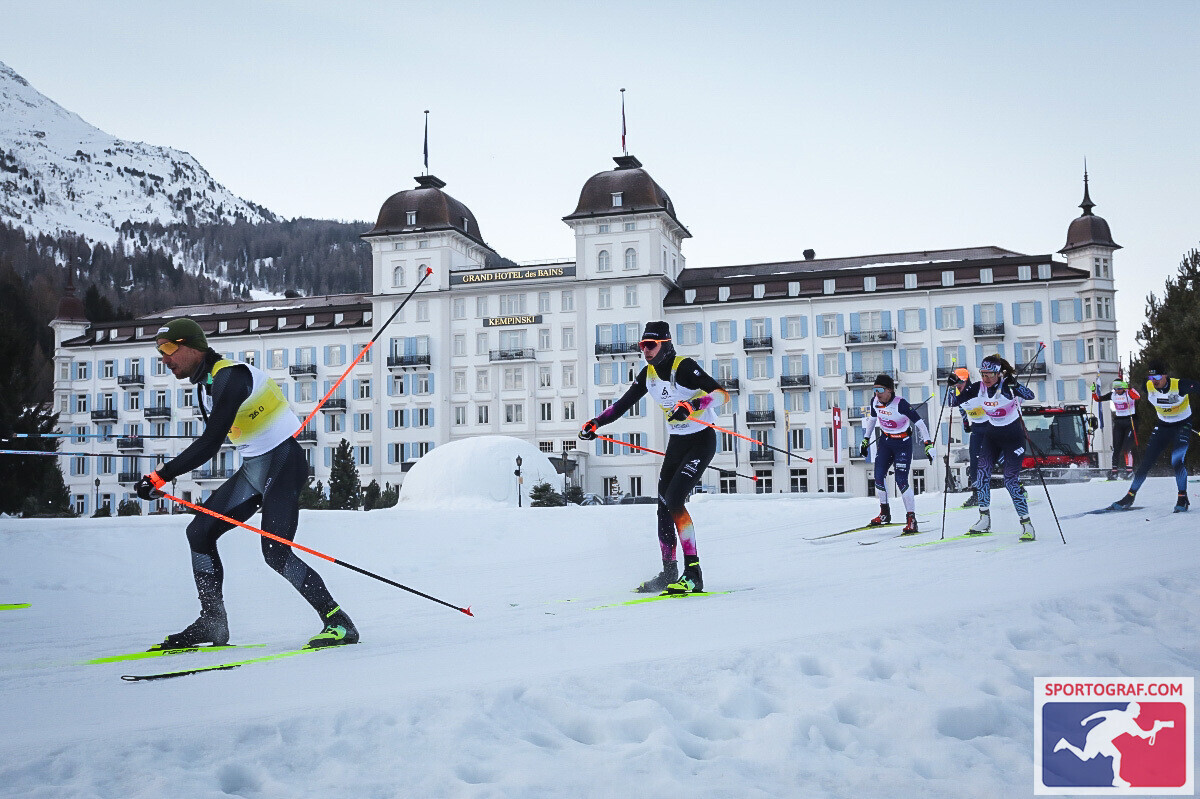
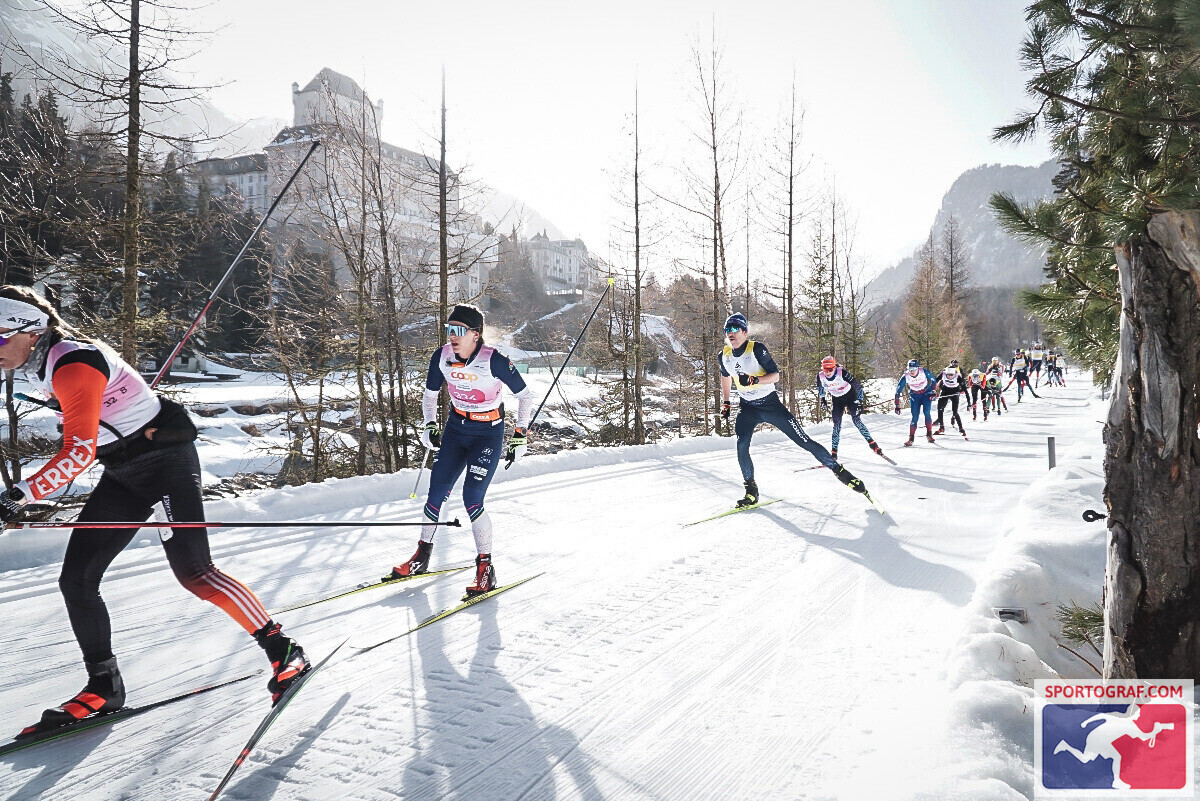
The coolest draft I've ever gotten was at the Engadin. For two glorious minutes, I skied with Nino Schurter, a 10x World Champion in mountain biking, and an athlete I've looked up to for many years.
Opportunity to Travel:
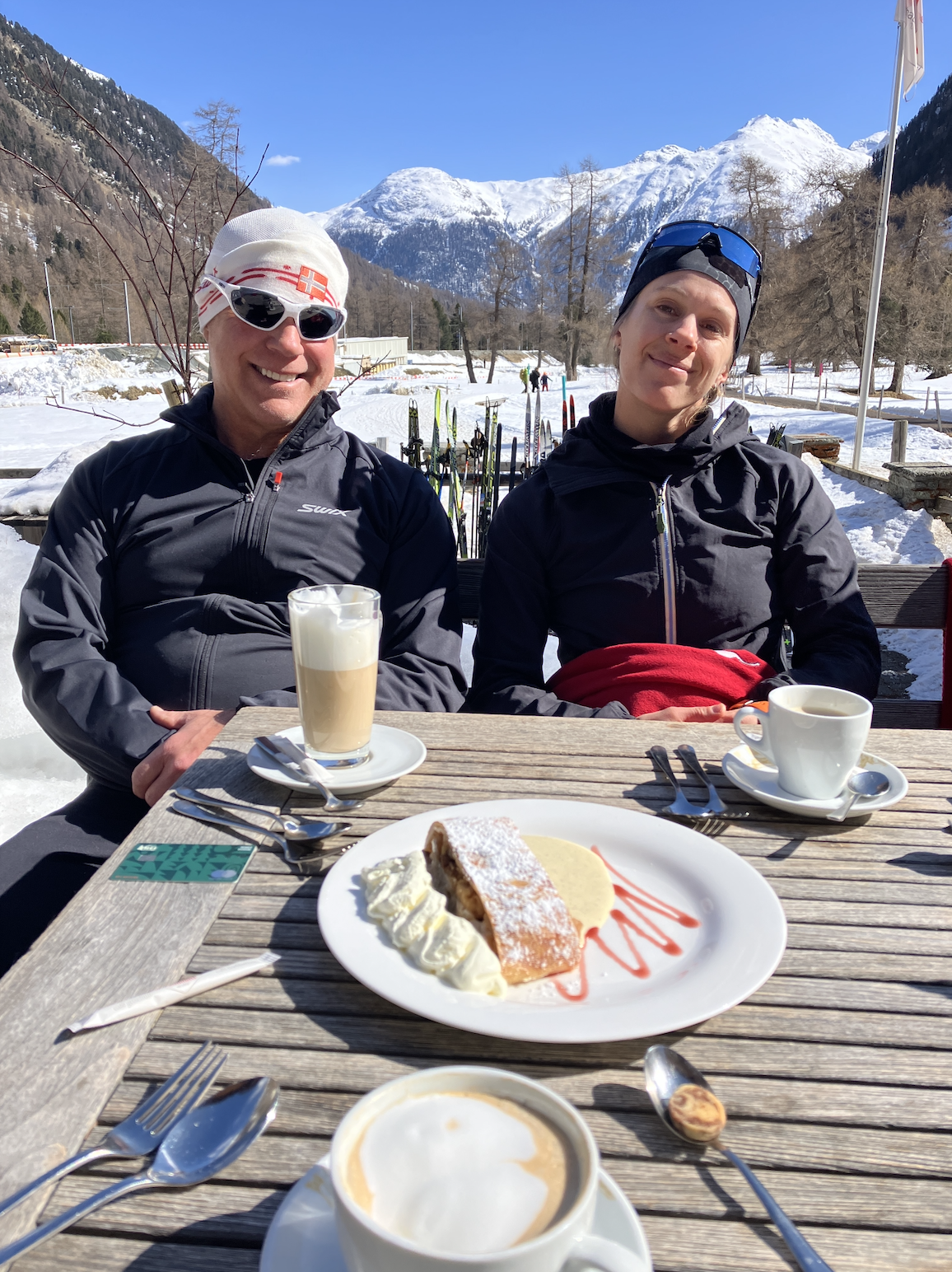
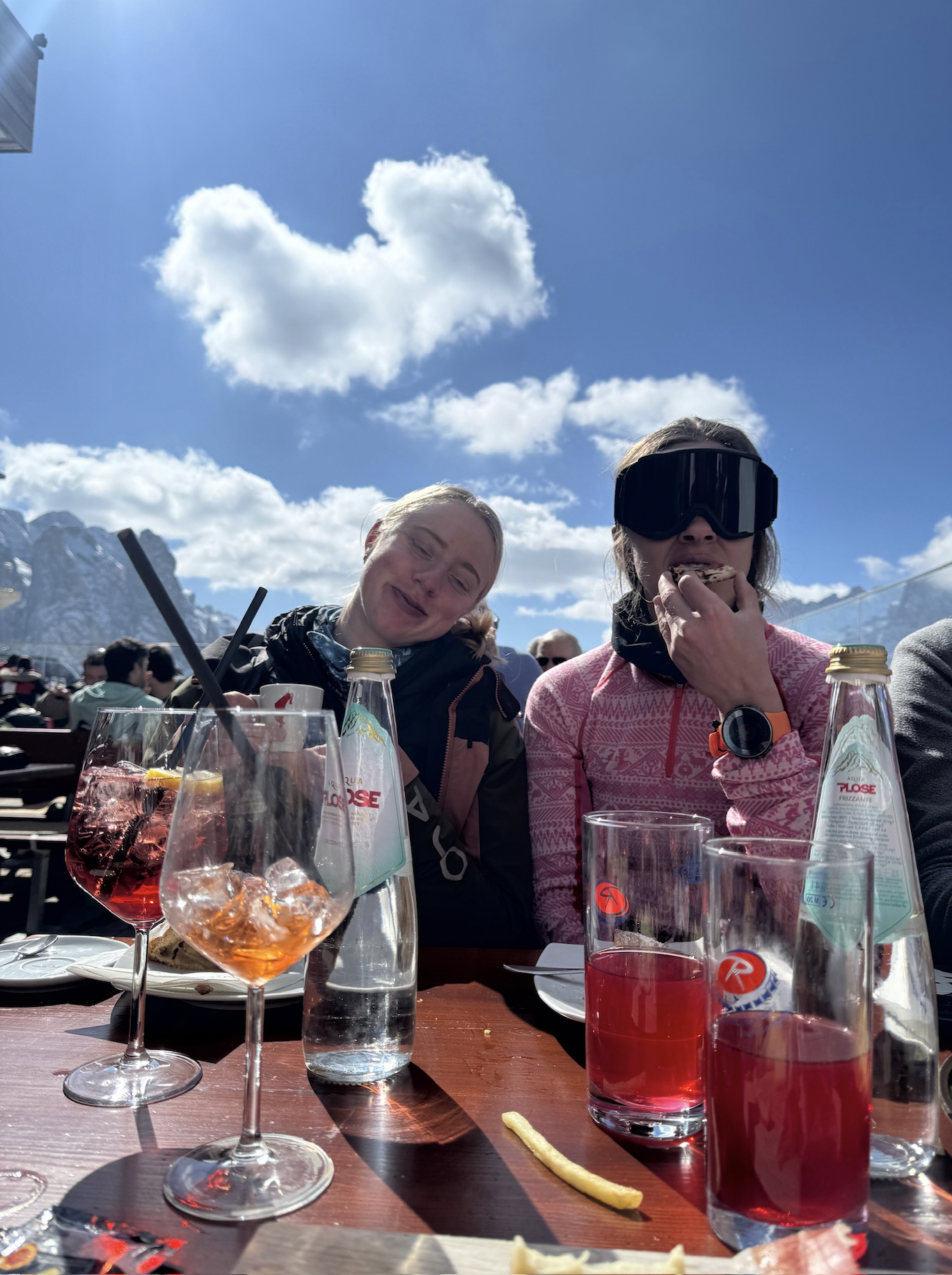
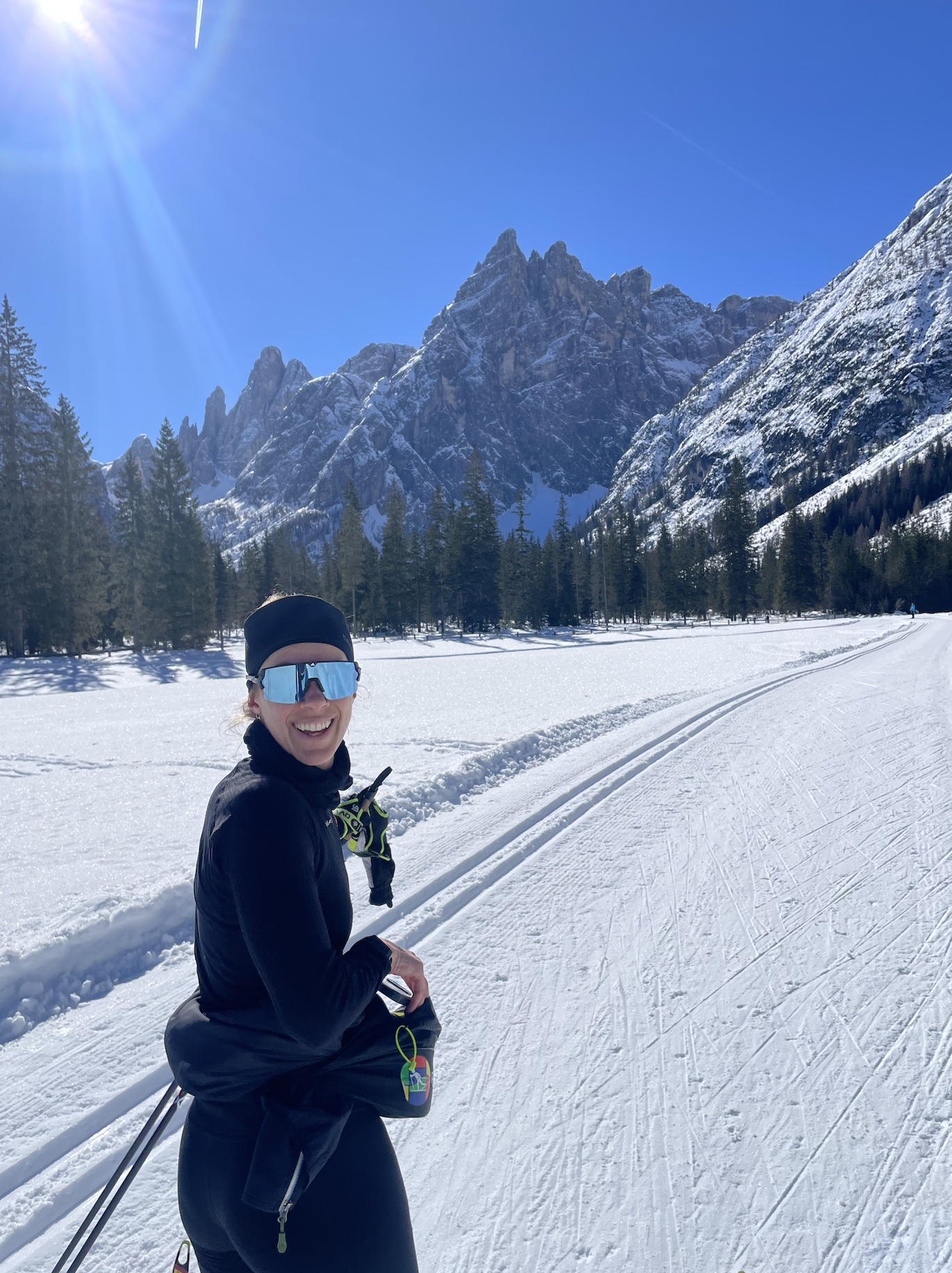
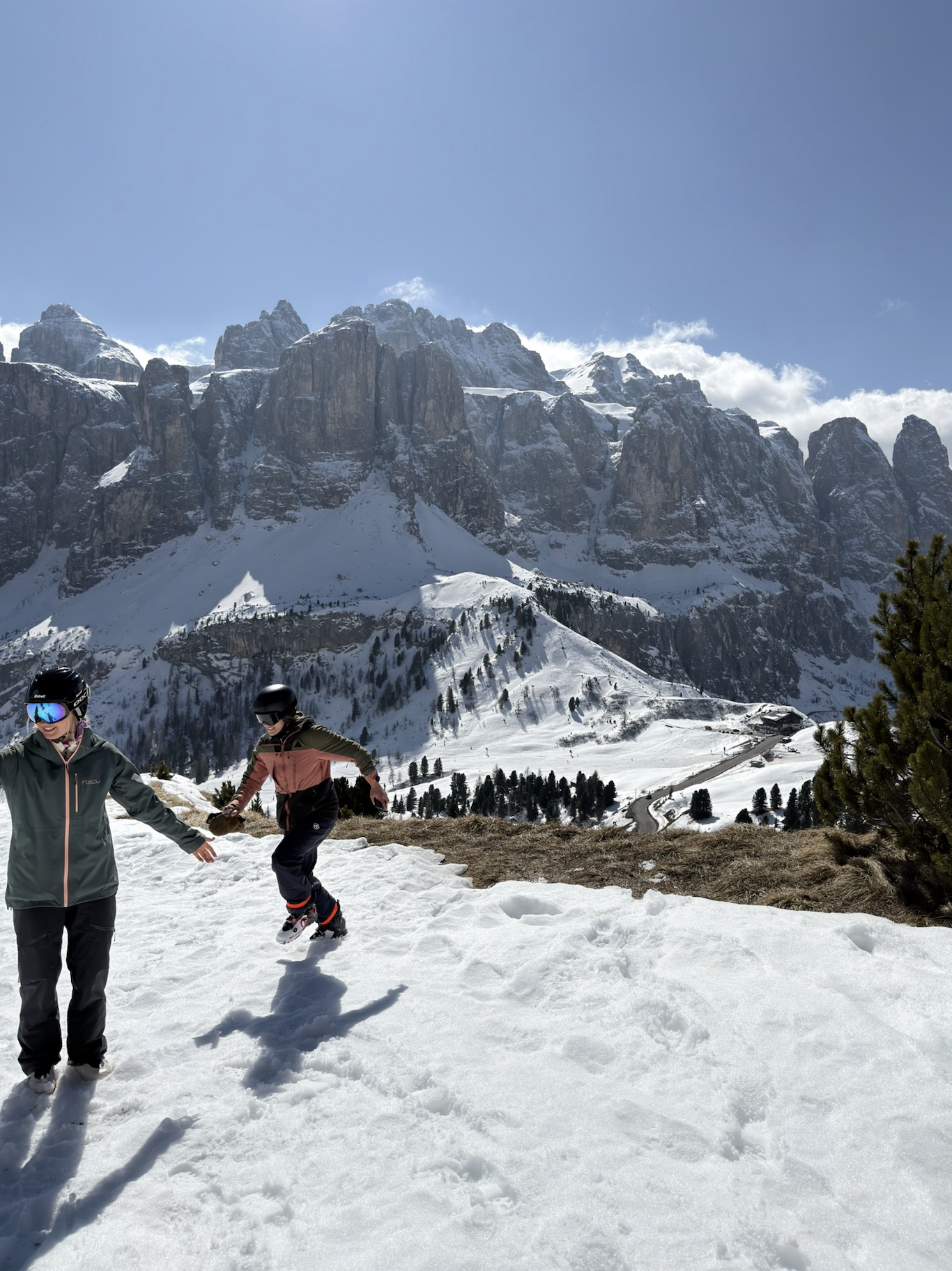
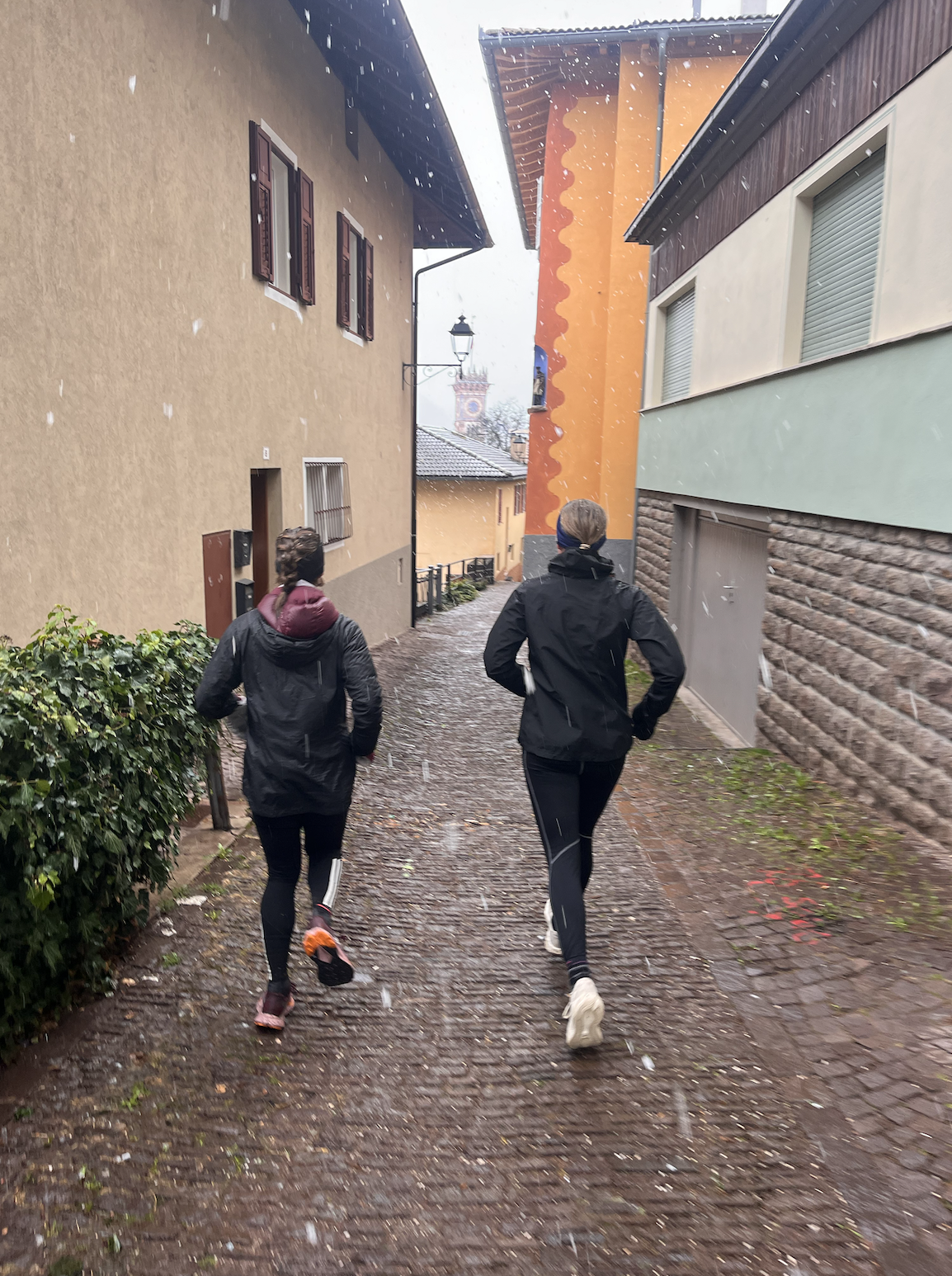
Participating in a Worldloppet or Ski Classics is also a great opportunity to travel and explore a new place in the world. My favorite thing to do when I travel to race a marathon is spend an extra few days, or even a week in that area afterwards so that I can explore. Usually there are far more trails outside of the race course that take you to some pretty incredible places, and because it’s Europe, there is usually a café somewhere along the way. Especially if you can convince your family or a group of friends to join you, racing and exploring a new place can be a once in a lifetime adventure. For me, racing is a vehicle to exploring life, and understanding what makes me happy, and I try to use each opportunity I am given to discover what I value most. Turns out, what I value is mostly eating good food in the sunshine with people I love.
All Around Good Time
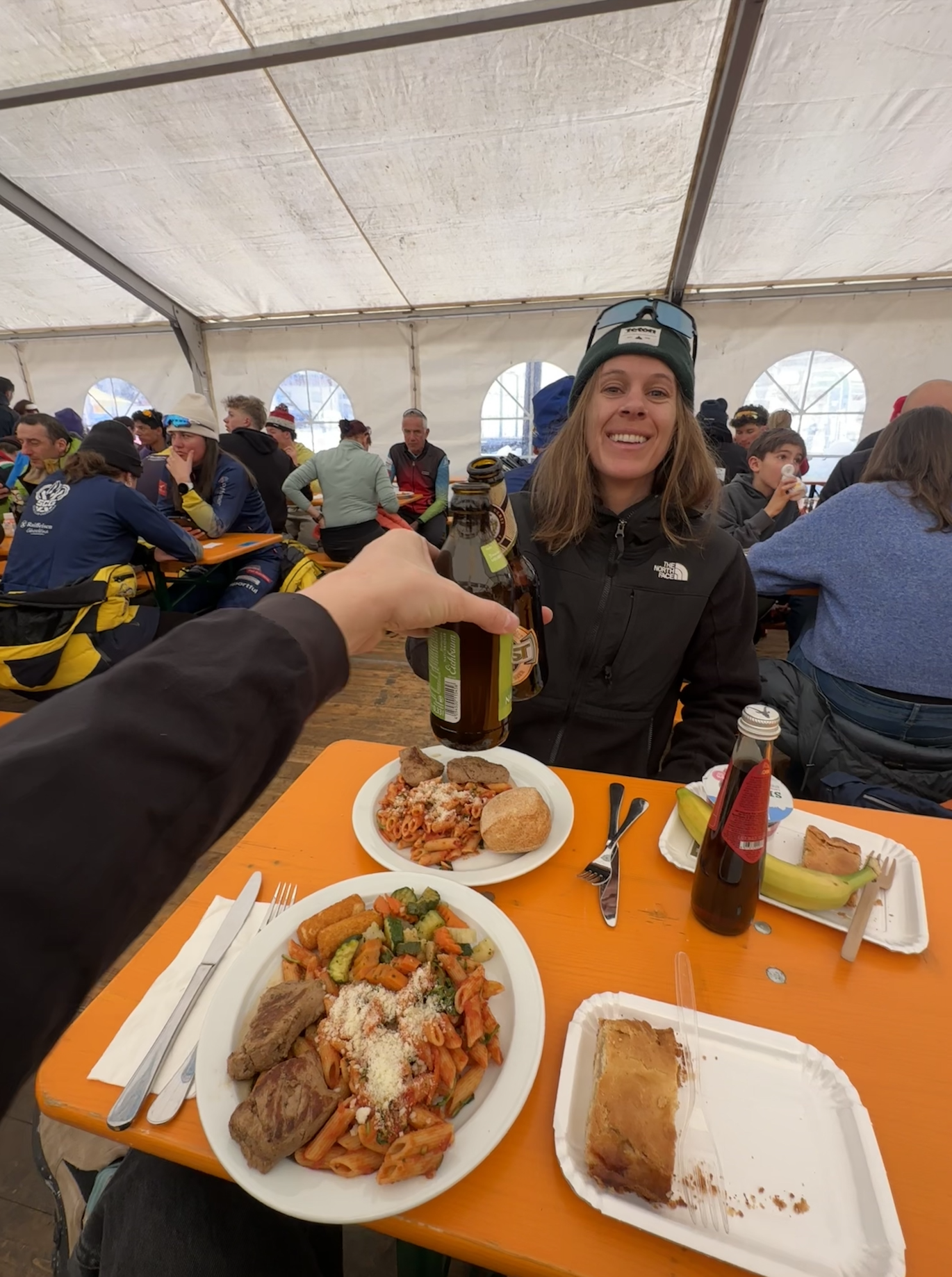
The last one is that racing Euro marathons is just fun. There is so much positive energy at each race and the logistical organization is outstanding. Because Europe is small geographically, the races also tend to have athletes from many different countries. Each startline is a mix of different nationalities, languages, and ambitions, and it adds an element of diversity that is missing in the US. And we can’t forget the food. This year I raced the GsieserTal-Lauf in Italy, and eating a huge pasta meal in the sunshine while the DJ played Euro dance music was a hard experience to top. If your race meal is lacking, there is always the local pizza shop or café that is guaranteed to have something delicious waiting for you!
Below is a list of the races I have done, and I would highly recommend all of them!
WorldLoppets
Vasaloppet (2025)
Birken (2024, 2025)
Engadin (2025, 2026)
Fossavatn (upcoming next weekend!)
Other Marathons:
GsieserTal-Lauf (2026)
These are the races still on my list, and I'm excited to see if I can make it to most of them next season!
Kanga Loppet, Australia
Merino Muster, New Zealand
Sapporo Marathon, Japan
Marcialonga, Italy