
Posted by Annika Landis, EnjoyWinter-NTS Factory Team Athlete on Feb 20th 2026
BMT Recap: Deja Vu All Over Again
photos by Craig Wolfrom, Hank Dart, and Roland Lane [Idaho Mountain Express]
A few weekends ago, I once again had the pleasure of racing the Boulder Mountain Tour, my home race, on a beautiful sunny day in Ketchum. This year was what I call a true BMT weekend, it was perfect skiing: firm, fast and brilliantly sunny. It was a welcome contrast to last year’s grueling conditions and the excitement on the day was palpable.
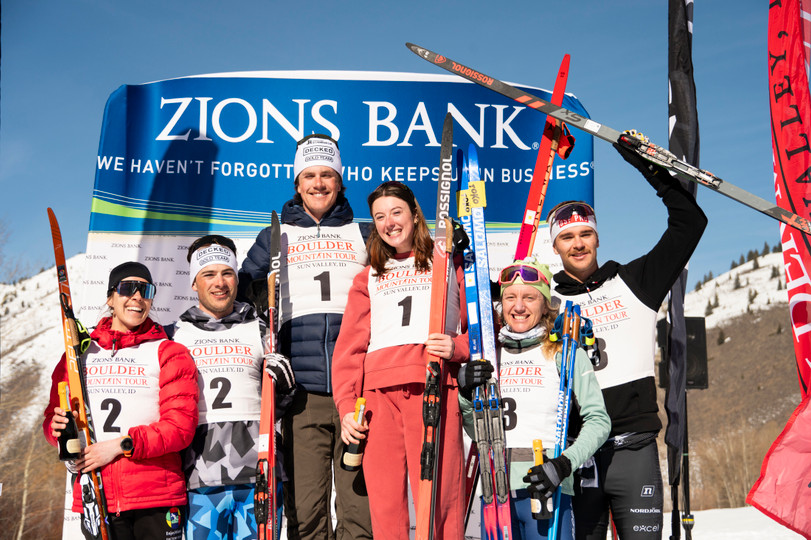
The festivities started earlier in the week at the Town Sprints, a team sprint event held in a field in the middle of Ketchum. Coed teams of two each ski six laps of a 300m loop, and the top three elite teams take home a cash prize. This year, I was lucky enough to be paired up with the Gold Team’s Will Koch, and we led the race from start to finish, bolstering our local clout and earning some grocery money. This is such a fun event because it is less about winning and more about showcasing the fun of racing hard with your teammates, and the joy of skiing is personified in the smiles of elementary school and elite skiers alike.
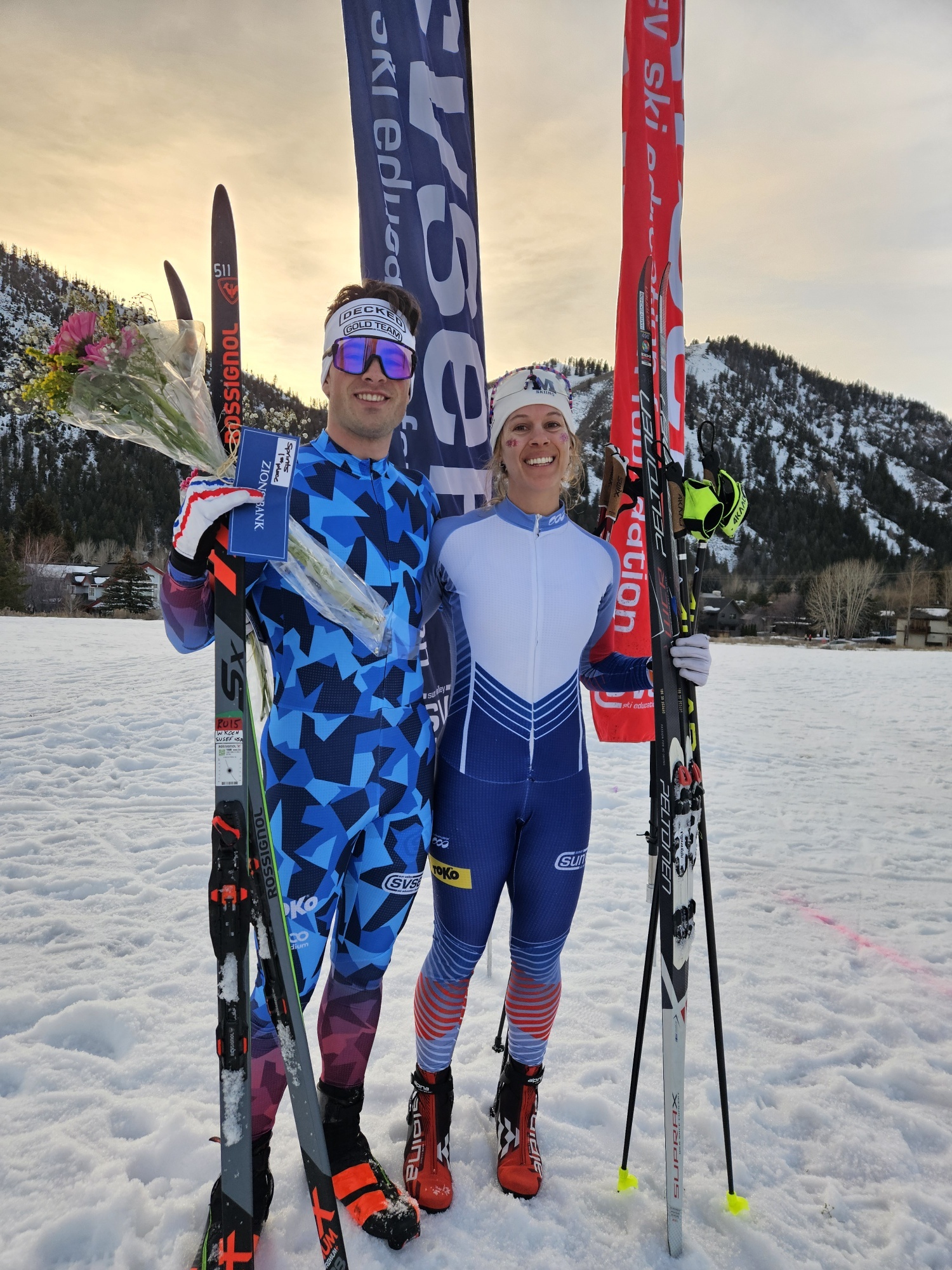
Will Koch and me after winning ‘gold’ at the Nordic Town USA Sprints.
The Pressure is On
Since I stopped racing the SuperTour, I haven’t often felt overly nervous or anxious before races, primarily because I was racing for the joy of it again, and not for points and places. I still want to perform well, of course, but the all or nothing performance mindset was mostly in the past. But this year, and this Boulder, felt different. I wanted to win this race, and I wanted to win it more urgently than the three previous years. With that desire came, unbidden and unwanted, the anxiety of pressure.
In the week leading up to the race, this pressure was embodied; my legs would suddenly feel heavy and weak, my chest would tighten, and my heart would start racing. Next would come the frustration of not feeling in control of my nerves, and a slight embarrassment of why they were so fraught to begin with. “It’s just a race” I told myself over and over again. Just focus on what you can control and the rest will take care of itself.
Part of these nerves came from the start list. This year’s elite field was stacked with fast, assertive, and strategic skiers, all qualities that are required in a BMT champion. That list represented uncertainty, and it represented the humbling reality that any of us could win. Given the fast conditions predicted, it was likely that the group would stay together, stretching the uncertainty of success into the last kilometers or meters to the line.
I was not thrilled by how nervous I was, and it took a lot of my mental tools to keep things balanced and productive. I focused on the workout of the day, on the process of prepping skis, on eating well and going to bed early, on sticking to my nightly mindfulness, and on connecting with family and friends.
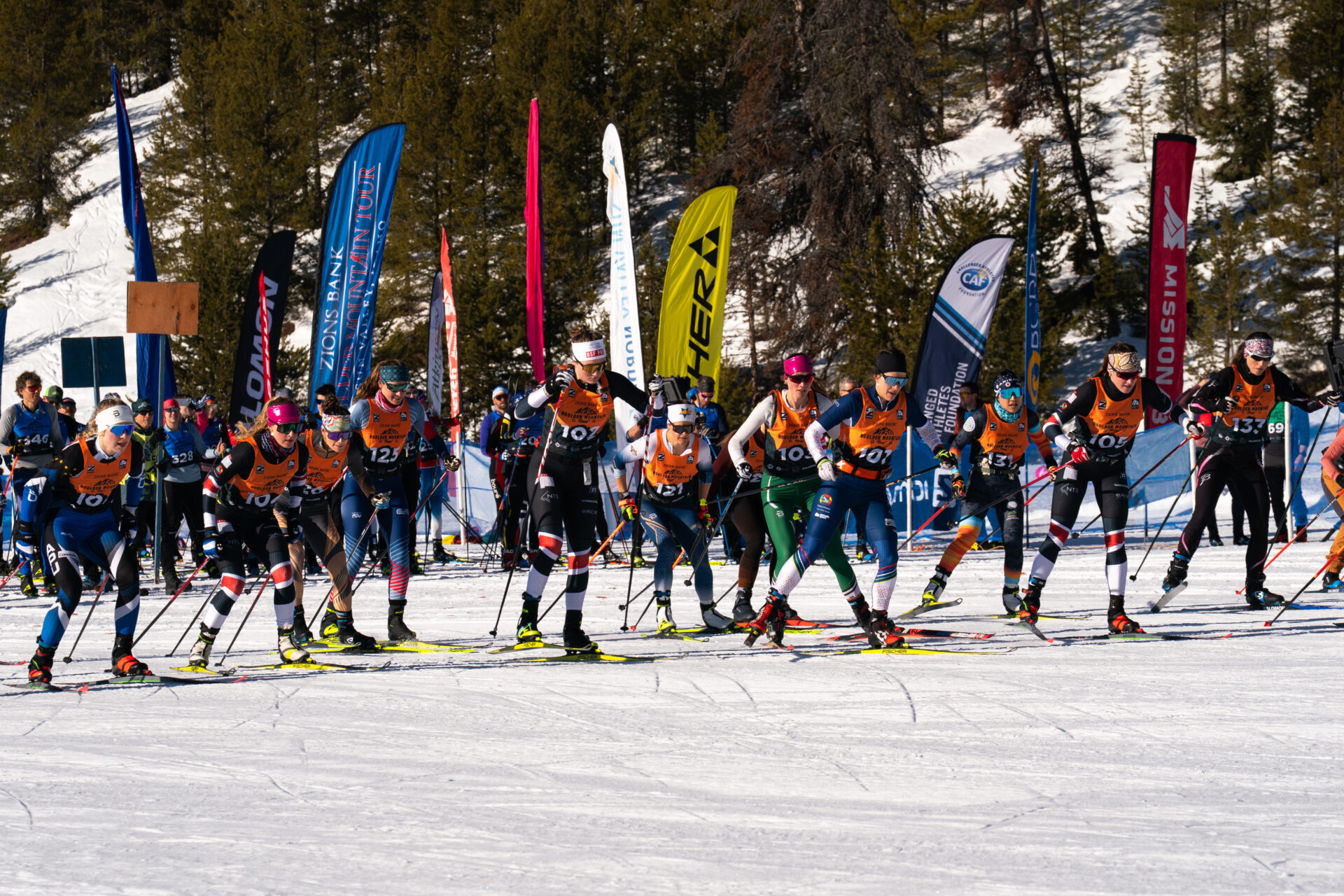
photos by Craig Wolfrom, Hank Dart, and Roland Lane [Idaho Mountain Express]
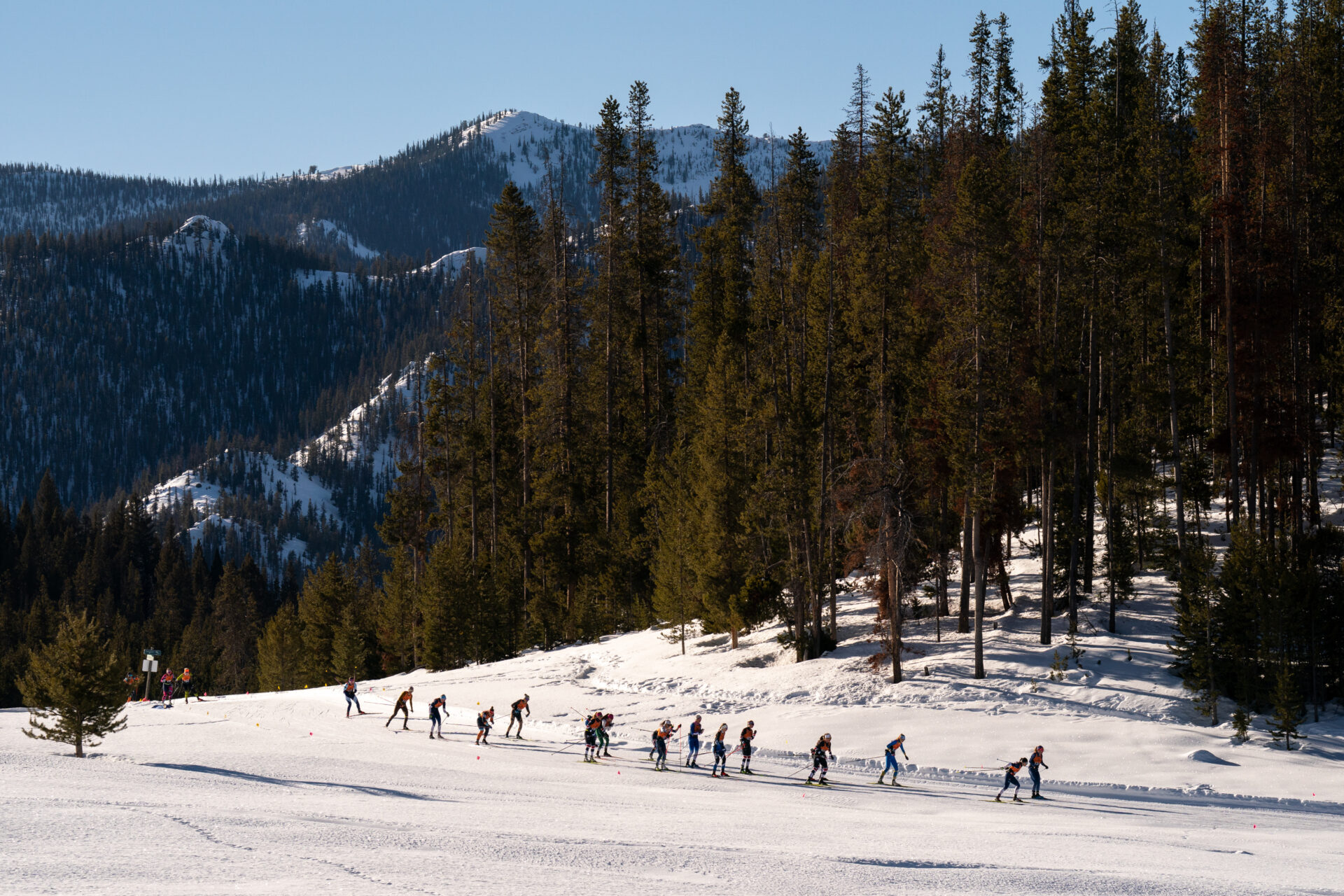
Despite the nerves, I executed my race more or less exactly the way I had planned to. I warmed up alone, knowing that years past I’ve gotten distracted and not felt ready at the start. I led the first downhill corner out of the stadium, anticipating the firm conditions to cause crashes. Hoping to whittle down the field, or ideally break away, I made two surges, one at 25k to go (Goat Hill), and one at 19k to go (Anderson Creek). At Anderson creek, I managed a hopeful 50m gap going into the downhill, but the draft was too strong to keep it for long. And then I did what I have been too impatient to do in previous BMT’s, I sat in the pack and waited, never allowing myself to be farther back than third in the line, but never leading (except my last minute decision to go for the Baker Creek Preem).

photo by Roland Lane [Idaho Mountain Express]
I knew at the pace we were going, the course record was not in the cards, but as the race went on, it was increasingly clear that this was going to be a dogfight to the finish. The last 5km were chaotic, as each of the 10 women in the leading group jockeyed for position near the front. Physically and aerobically this race was only moderately difficult, in large part because of the drafting. Mentally this race was exhausting, constantly needing to analyze the other skiers, anticipate surges, and defend a competitive position. The line between assertiveness and obstruction is a fine one in a race like this and there were a few moments where I felt frustrated by the way the tactics of the group were edging us closer to something catastrophic; a broken pole or a crash. I desperately did not want to be on the wrong side of that equation, but I was also not going to let anyone cruise by.
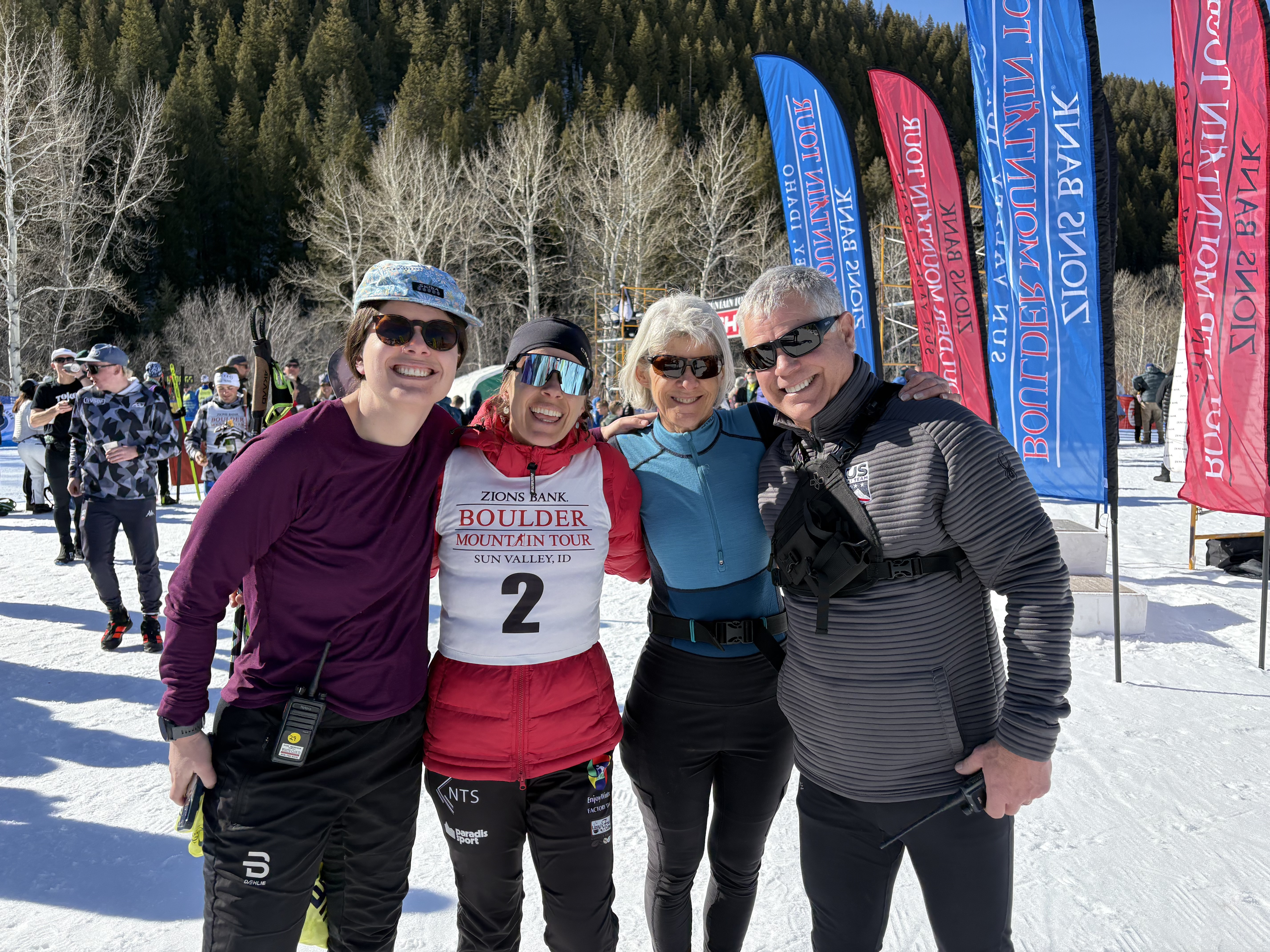
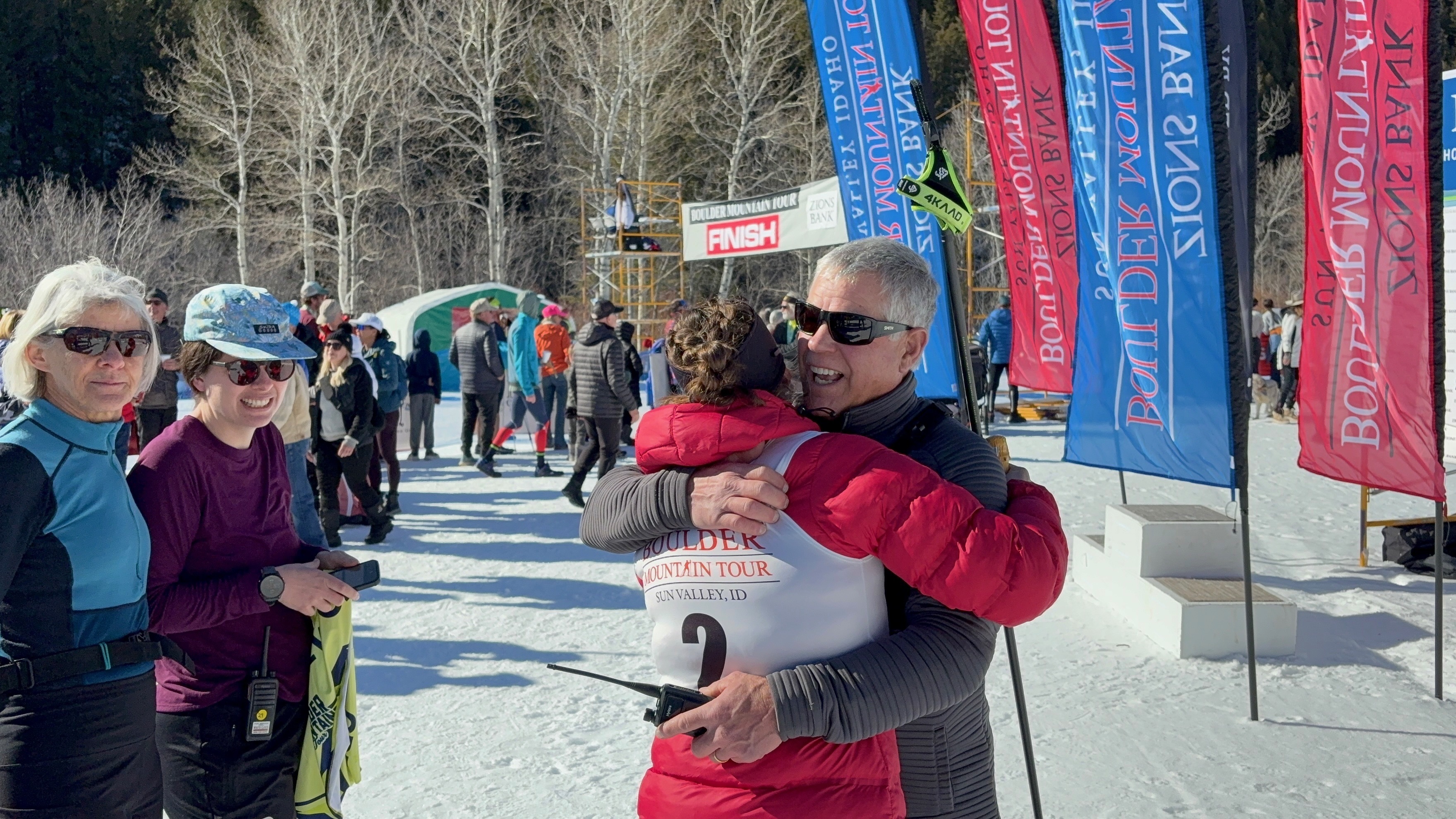
By 1km to go I had managed to stay second in line when Emma double poled from third into the lead and charged towards the finish. By the time I had gotten around and started to chase, there was just not enough time to fully catch up. And once again, by .8 of a second, I missed the win. The moment hurt and I felt a surge of disappointment. My sister was there at the finish and a big hug from her was just what I needed. I took a few minutes to regain some composure, and then, as quickly as it had come, the disappointment faded into the beauty of the day.

photos by Craig Wolfrom, Hank Dart, and Roland Lane [Idaho Mountain Express]
Of course it’s bittersweet, and I’ll probably never stop cringing when people say “ooh so close!”. But at the end of the day, the things that really matter stick around. My family, as they have each year, leapfrogging the lead pack down the course, an embarrassing cutout of my face waving in the air. The festive mood at the end of the race and the huge group of friends that gather at Grumpy’s for a post race celebration. The race is just a race.
Consistency: A Curse?
Somebody asked me if finishing on the podium but never winning four years in a row felt like a curse. The question took me a bit by surprise because, although I feel the sting of missing out by so little each time, I never saw it as me being ‘cursed.’ The question itself implies an immense amount of privilege to even be in the lead group to begin with so many years in a row.
I didn’t always have a good perspective on this. I never had “breakout” races as a kid, or in college, or on the Super Tour. Improvement for me comes gradually, over time, in fits and starts, and with much effort. I often felt that consistency was a curse for me. It drove me crazy as a junior seeing fellow competitors have outstanding races that landed them at U16 camp or World Juniors, when I had been skiing at a similar level all year. In my senior year of college, I placed 4th six times during the Carnival Season. My SuperTour results were almost always within a set range of places, shifting slightly better as I improved. There were days when I wanted more than anything to defy this trend, but it never happened, and I’m glad for it.
I’ve come to see consistency as my biggest strength. It is indicative of a commitment to training and racing in a way that is sustainable for me, and that will continue to be for years to come. How could it be a curse to have a body that is healthy, strong and fit enough to be fighting for the podium four years in a row? How could it be a curse to be able to compete at a high level, even while pursuing unstructured cross training?
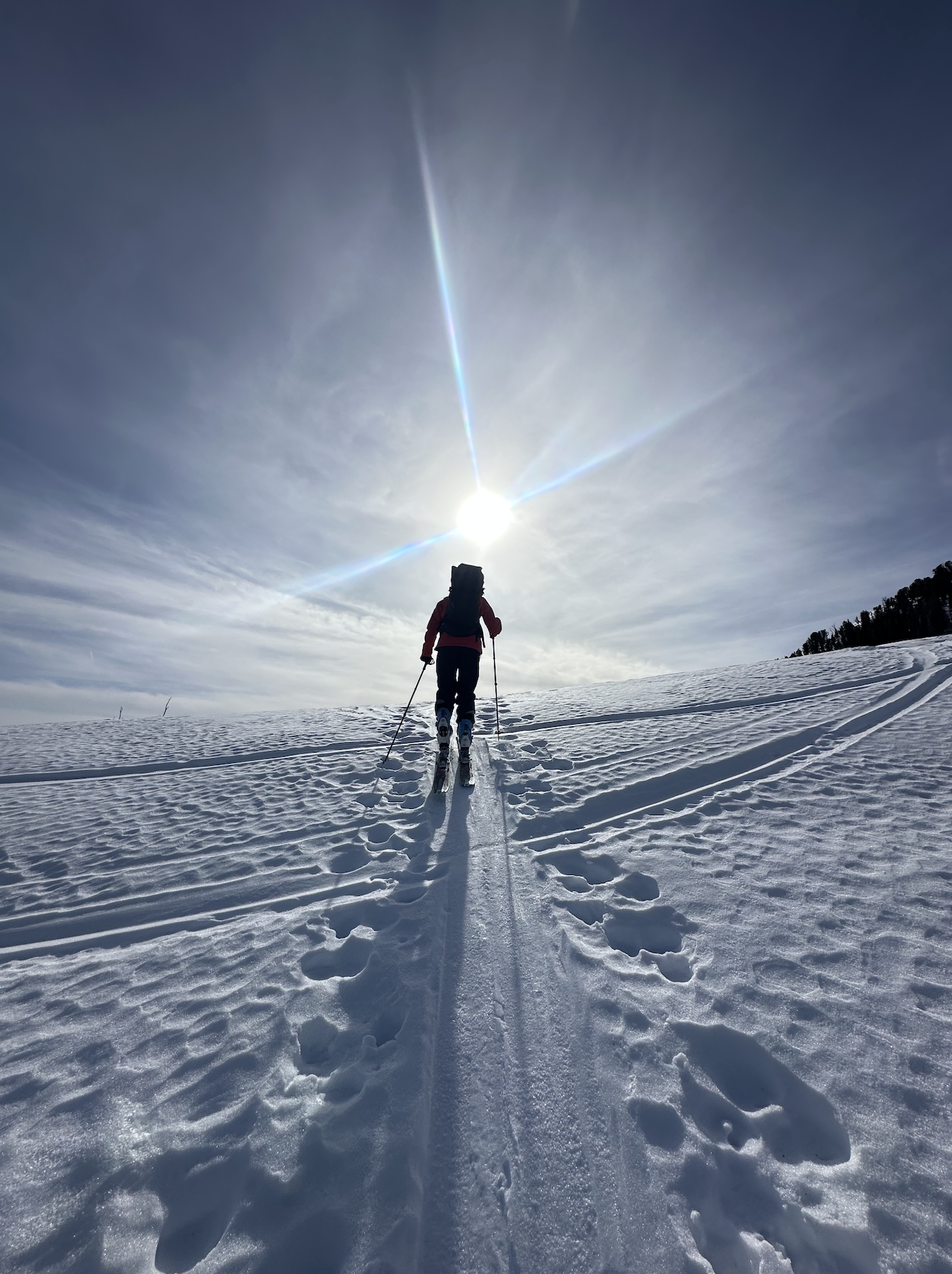
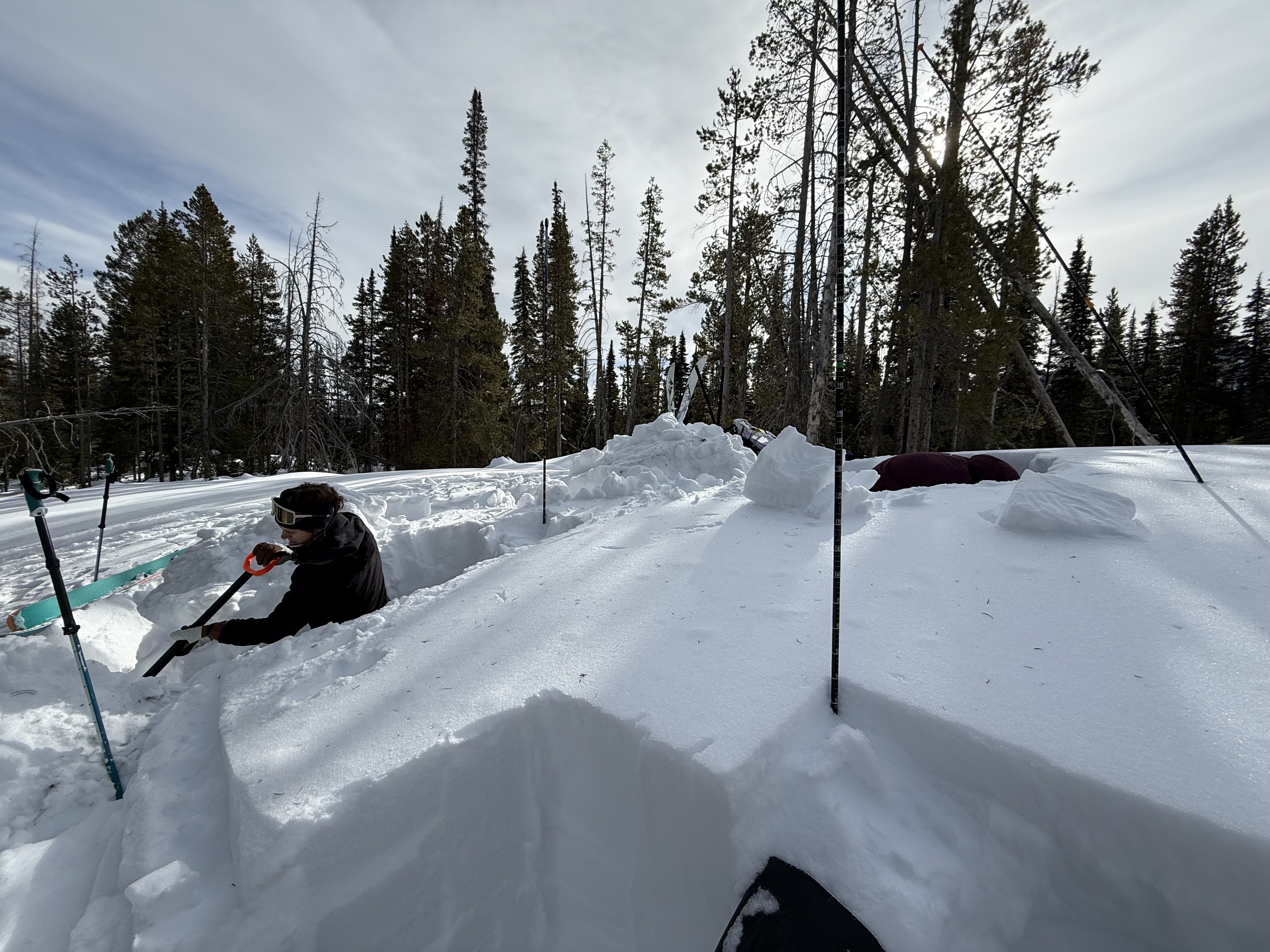
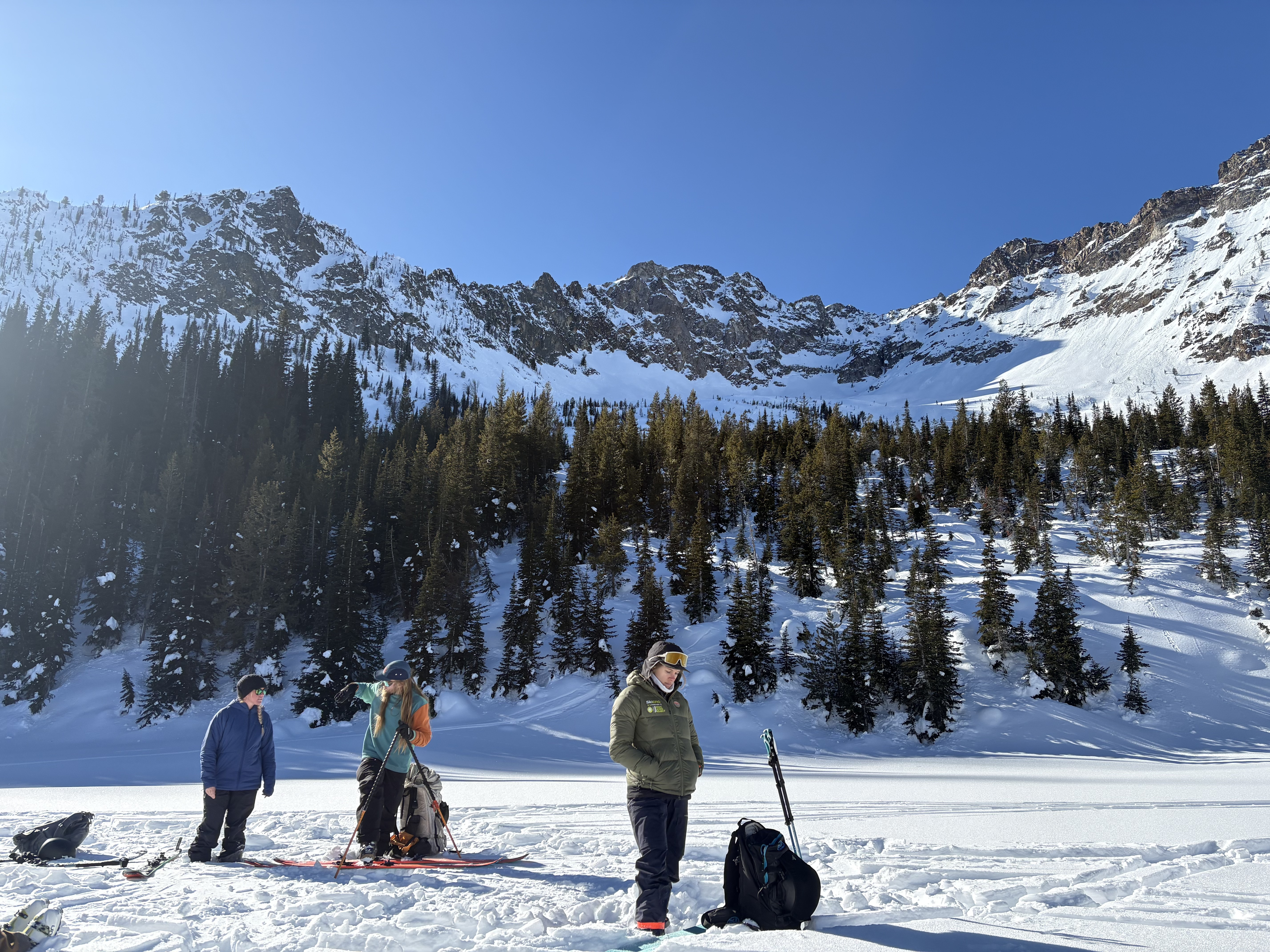

Taking an avalanche class, backcountry touring and skiing a few 50k+ days the week before the BMT.
I am proud of how I’ve matured as a competitor, and at the way that I am able to compartmentalize personal disappointment from the bigger picture. In the recent documentary about Frida Karlson, she said “Either I win or I learn; and 99% of the time, I’m learning.” I thought that was an excellent mindset and a way to frame racing as a process, not as a destination. And to use a Rick Kapala quote; "The GROWTH we experience when we push ourselves towards a goal is the real prize…Focus on doing all the little things well, focus on why you love to ski and when the time comes to hammer, give it all you can. That is all you or anyone else can ask”. RK
Skiing is important to me because it's so much of who I am and what I love to do, but is also so incredibly unimportant. This season especially, the insulation of my life from real hardship has been abundantly clear to me. I don’t intend to be vague here, but I want any expression of my rage to be clear, articulate, and not hidden in a race recap. It is sometimes difficult to reconcile the ease of my lifestyle with the brutality, fear, and uncertainty of the headlines, but each time it highlights a stark reality; losing a race is not hard, not really. Racing at all is a privilege; pressure is privilege; and I strive everyday to keep that perspective.