
Posted by Jack Young: EnjoyWinter Athlete Force, Team USA on Oct 3rd 2026
Are Altitude camps good for sprint training?
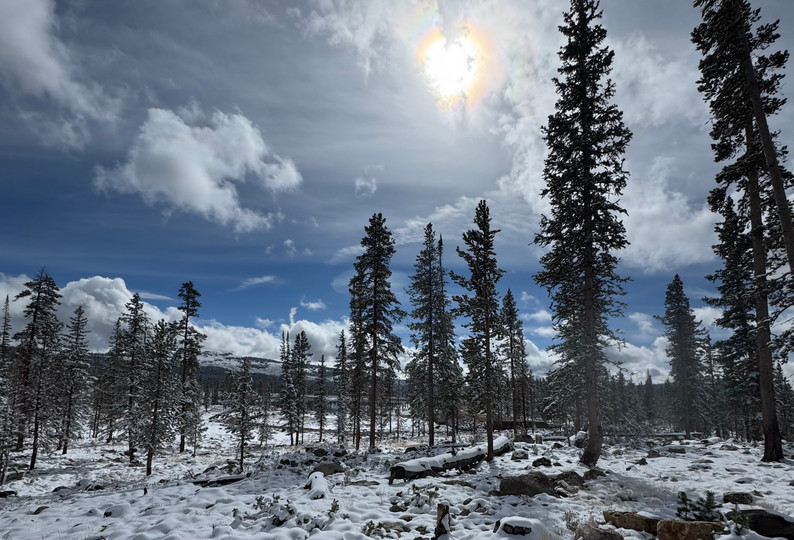
Right now, I am on a flight from Boston to Salt Lake City in order to train at altitude in Park City. This will be the third year I have attended this US Ski Team camp, and I hope to keep learning from the past two years. I have never been fully convinced that altitude training is necessary or even beneficial for pure sprinters, but in this post, I’ll unpack why I still attend.
Altitude training, if done right, has been proven to improve endurance performance for a wide variety of sports and disciplines within those sports. It is impossible to make a clear distinction as for when a race is too short for altitude to have a major impact on sea-level performance, but I can say with relatively high confidence that a sprint qualifier in cross country skiing is too short for altitude training to be worth it. With this being the case, why do I find myself on a plane headed to Utah to train at altitude for the third year in a row?
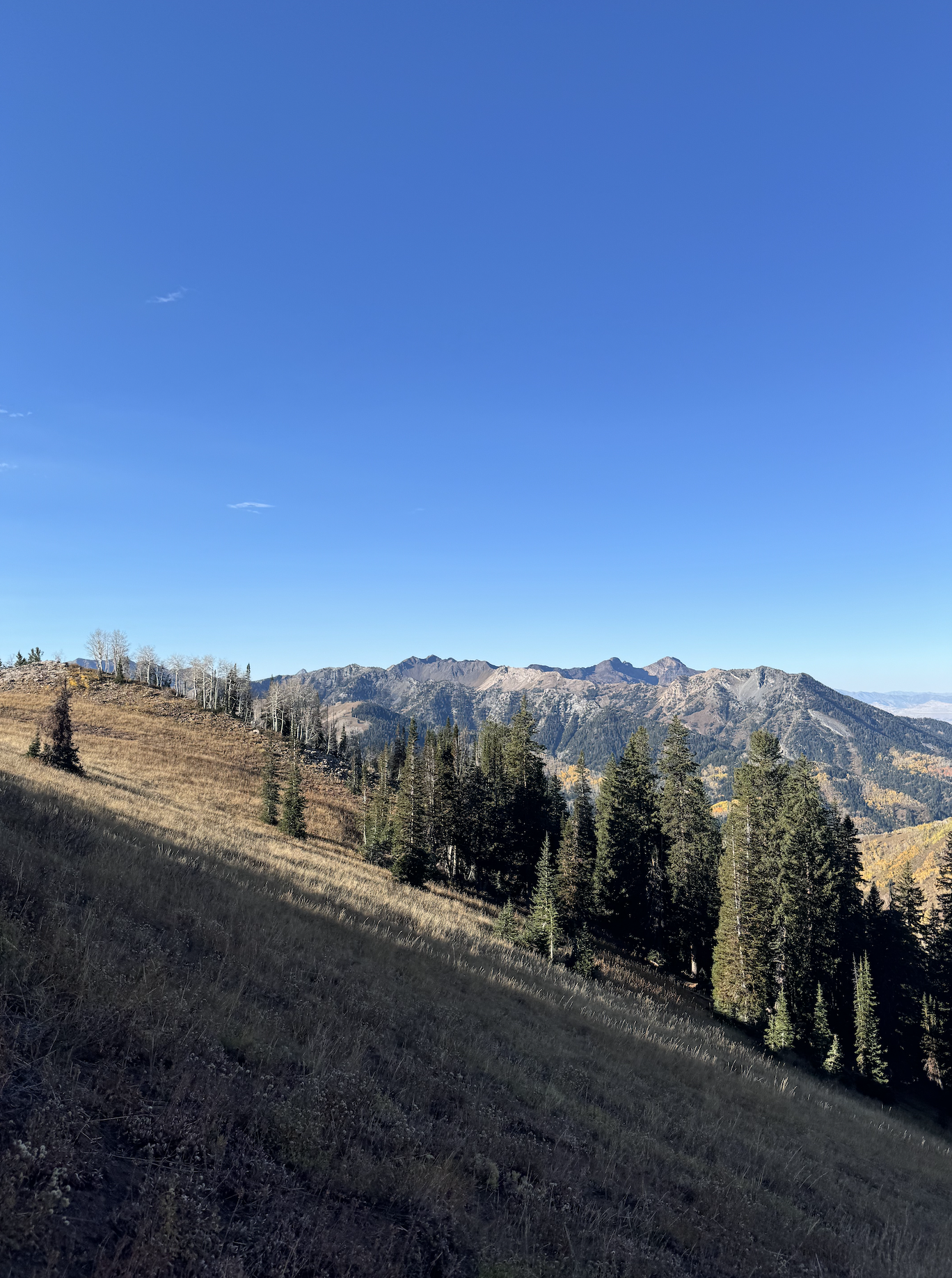
Living and training at high altitude can do two things for endurance athletes. It can boost actual race day performance from the increase in red blood cells caused by living in an environment with less oxygen. It can also improve an athlete's ability to both recover between interval sets during a session and recover faster in the days between intense sessions. The season doesn’t start until over a month after camp will be over, so the race day performance boost is clearly not the desired product of making this trip. This is also convenient because this first example doesn’t apply as well to sprinters as it would for distance skiers. Everything an athlete does to train harder comes at a price. In the example of altitude training, an athlete may get “fitter” and be able to sustain a higher Vo2max in the direct aftermath of an altitude camp, but they will lose some of their ability to utilize fast twitch muscle fibers and move as fast as is required to sprint at a high level. This same phenomenon can also affect 5ks and 10ks, but the aerobic gains likely outweigh the losses.
How does one train for sprinting at an altitude camp?
The two times I have gone to Utah camp, I approached the training very differently. Two years ago, partially due to being excited about training with the national team, I trained absolutely as much as possible and didn’t do anything special to try and train for sprinting. I got really tired, recovered when I got back to school and was able to train incredibly hard in the last preparation block before the season. Last year, I trained 10 hours less over the two weeks (42 hours vs 32 hours) and added two dedicated sprint sessions (10x30” Double Pole and 6x1’ skate). Last year I was as committed as I’ve ever been to being a pure sprinter, so I tried to write a plan for myself that almost ignored the fact I was at altitude. I think the approach worked fine, but I also think that I missed a lot of the pure fitness gains that I achieved two years ago from training more. When I got back to Colby that year, I felt like I could do any amount of intensity and recover and absorb it. I didn’t have this feeling last year when I returned to Craftsbury. I think both approaches worked in the short term, but my approach two years ago made me a better skier all around. To answer the question of “how does one train for sprinting at an altitude camp?” I think my best answer is to embrace the distance plan. Train a lot of volume and do a lot of L3. If you’re going to altitude, you may as well do the type of training that works well with less oxygen. The sprint workouts that I included last year comforted me because I felt like I was doing something to work towards my goal, but those workouts just don’t give you much return on investment at high altitude. It’s very hard to maintain a high speed for much longer than 30” multiple times in a row with significantly less oxygen, and since I place a premium on the actual velocity at which I complete sprint intervals, these workouts probably didn’t actually make sense.
By making this trip to altitude every fall, I am betting that even if I lose some sprint speed during the 2-3 weeks in Utah, I will be able to gain it back plus some when I get back to sea-level and can train harder and recover faster. This is what I always tell myself, but I have doubted this to be true since I started thinking about the question of whether altitude is good for sprint training a few years ago.
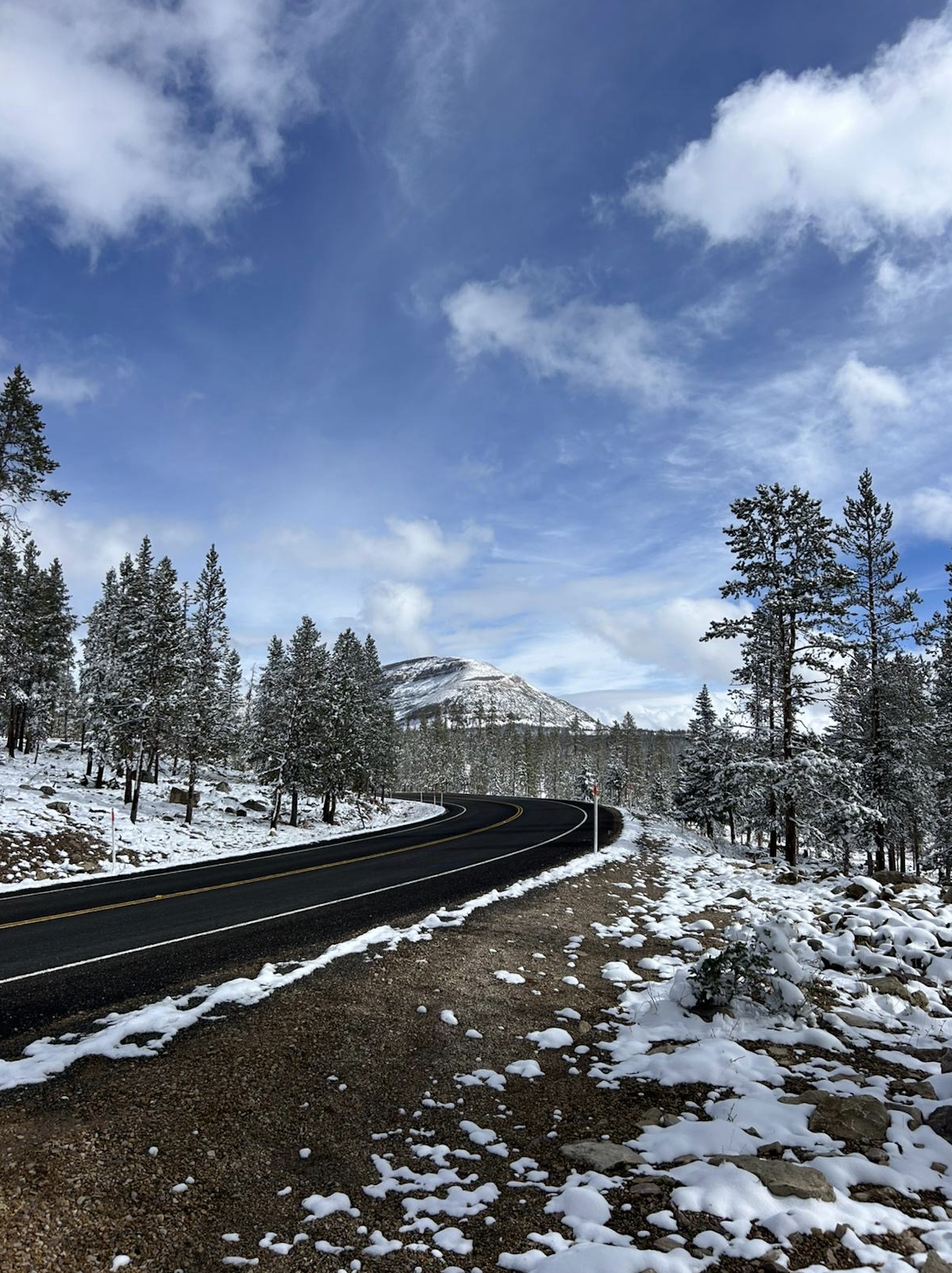

Preparing for this winter, I have one big goal and that is to medal at the world championships… at sea level. Again, to be brutally honest, I have a hard time convincing myself that travelling out to Utah is a demonstrably better approach than staying in Craftsbury until the season starts. I claimed earlier in this post that the best way to train for sprinting at altitude is to not do much sprint training. If we take this to be true, I am missing out on 3-5 dedicated sprint sessions by making this trip. I’ve already claimed that I think I can make up for it on the back end using the altitude boost, but since I can’t prove this, I don’t think it's a good enough reason to go. I’ve made my peace with the fact that I don’t believe in altitude for sea level sprint races or qualifying in general, but that doesn’t mean I can’t find good reasons to go.
Better reasons to go
Although world championships this year are not at altitude, the next two Olympic games will be held at above 5000’. I have big goals for these upcoming cycles of the Olympiad, and a big part of performing not only in the qualifier, but in the quarters, semis and finals at altitude is being able to acclimate quickly and train well in that environment. Every time you go up to altitude, your body gets better at making the adjustments needed to train and race at your best. I also would assume that your body loses this ability if it doesn’t have regular practice. Not only will the racing at the next two Olympics take place at altitude, the training camps will also need to be pretty high in order for athletes to perform their best in the races. The better I can get at acclimating quickly and training well at high altitude, the better I am setting myself up for these future championships.
If I eventually reach my long term goals and succeed in becoming a world cup level distance skier, I will also want to utilize altitude more in the preparation for sea-level championship races. As I stated earlier, altitude can have both a racing and training performance boost, and the more comfortable I am at altitude and the more I learn about how my body handles it, the more I will be able to utilize this tool in the future.
Altitude camps for sprinters in general?
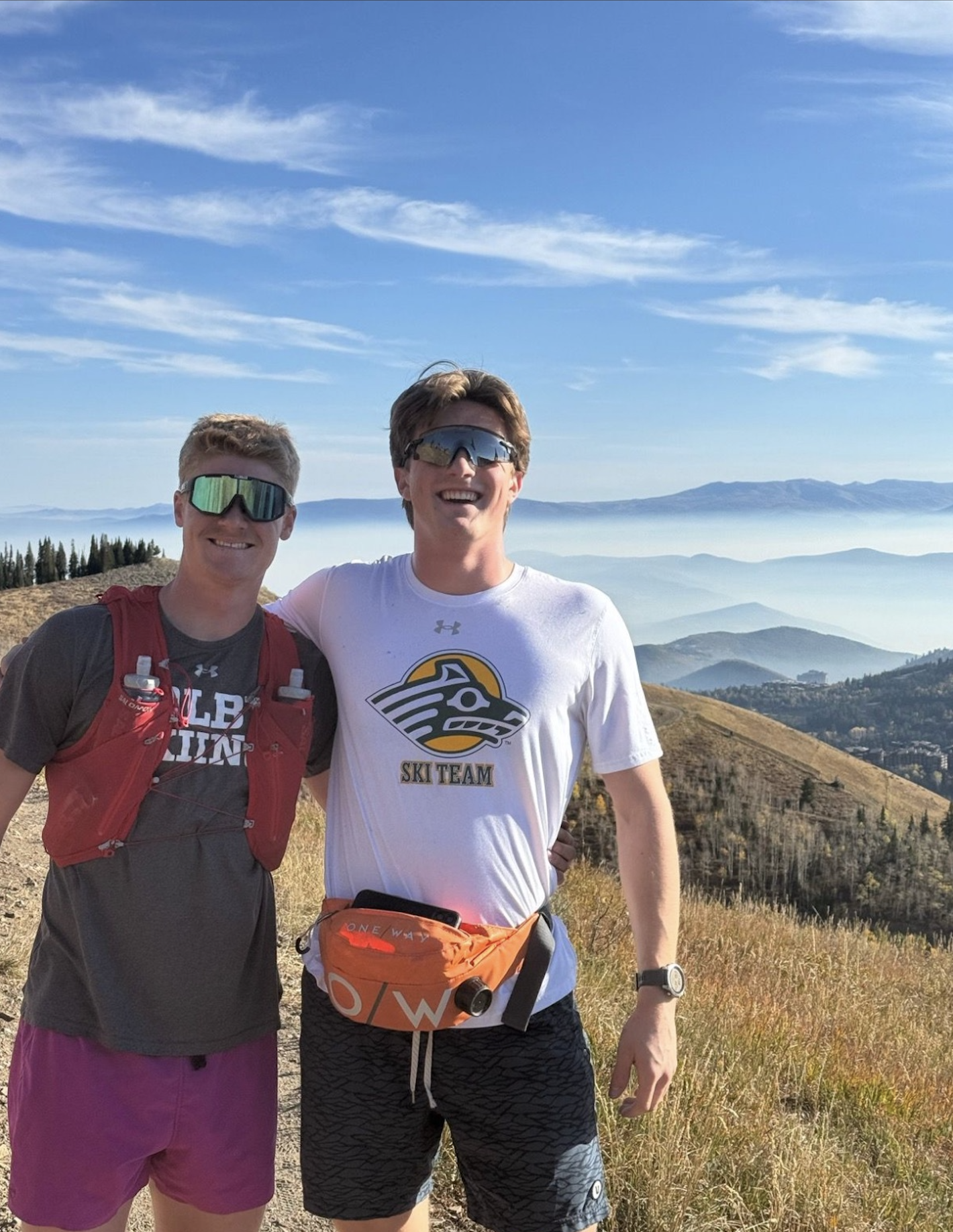
I personally have chosen the past three years to include a fall altitude camp in my training plan, but I don’t think this approach is at all necessary for all sprinters. If you are mainly training for qualifiers, I don’t think altitude makes any sense; even if your target race is also at altitude. The anaerobic gains of training at sea level are transferrable to racing a short qualifier at altitude. Additionally, even if end of day results are your goal, unless the races are going to be at altitude, an altitude camp is probably unnecessary. However, as I stated for myself, if you have the resources to incorporate altitude into your plan, there are plenty of reasons to do it–they just aren’t directly applicable to a lot of what goes into being a fast sprinter.